Ownership
How to Choose the Right Private Jet to Purchase: A Complete Guide
Discover the essential factors to choose a private jet that fits your needs. Learn about costs, performance, range, and safety features to make an informed…
 BenedictPrivate Aviation ConsultantUpdated December 21, 2025 · Published December 5, 2024 · 11 min read
Recent market research shows that 75% of private jet buyers focus on cabin comfort and amenities.
This highlights the growing demand for luxury in-flight experiences.
Choosing the right private jet involves considering several factors, such as travel needs, budget, and aircraft performance.
This guide aims to help you make an informed decision by offering expert advice on assessing your travel needs, understanding different jet categories, evaluating costs, and navigating the buying process.
Private jets provide unmatched flexibility, privacy, and comfort for those who can afford them.
Yet, with prices from $2 million to over $100 million, finding the perfect aircraft is a big decision.
About 40% of private jet purchases are for business travel, showing the need for quick and efficient choices.
Also, mid-size and long-range jets make up about 60% of purchases, highlighting the demand for long-distance flights.
When picking a private jet, consider factors like passenger capacity, range, flight duration, budget, and personal preferences.
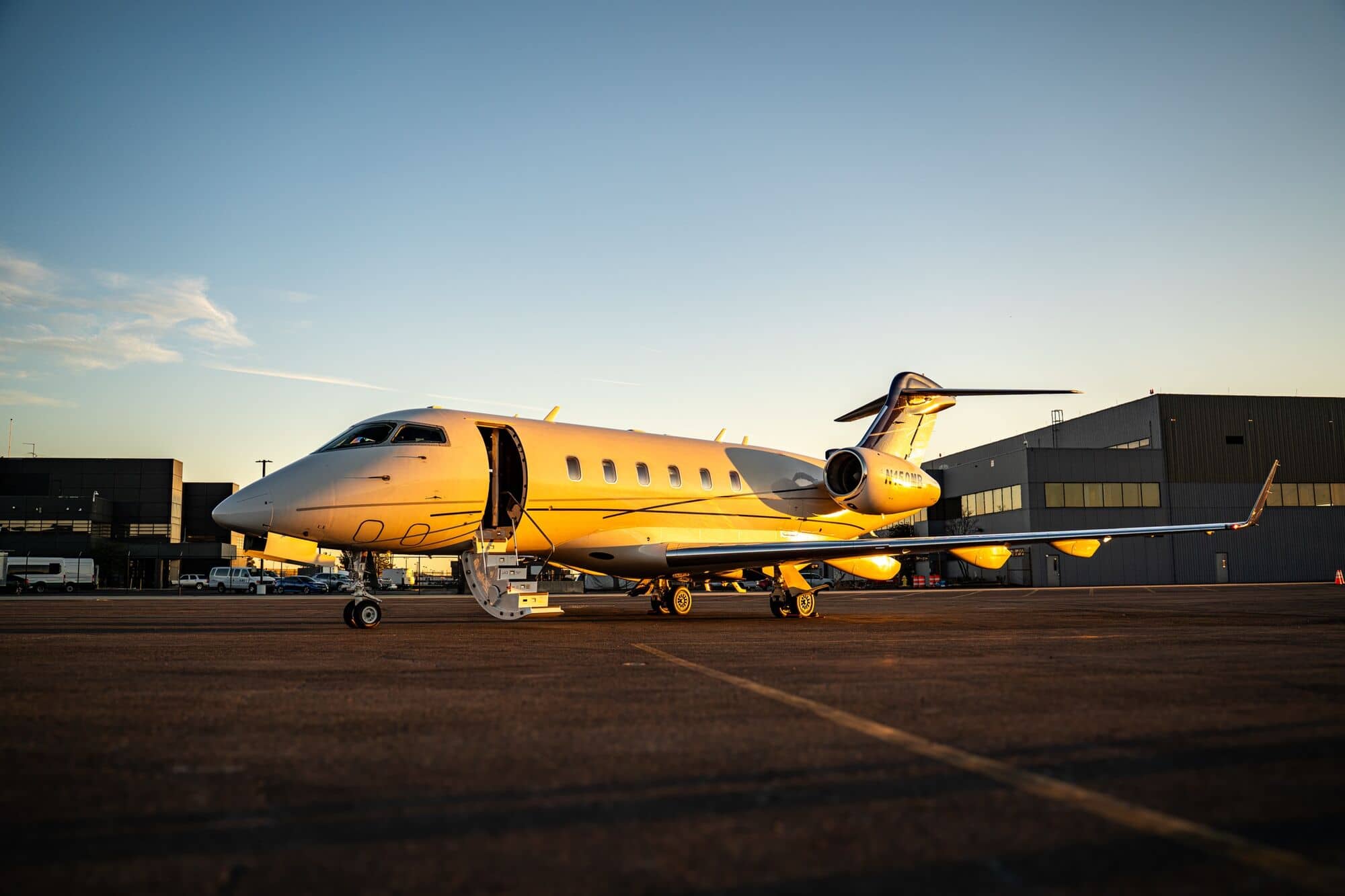
Light jets, like the Citation CJ3+ and Embraer Phenom 300E, are great for short trips up to 2,500 miles and seat 4-6 people.
For longer trips or bigger groups, super-midsize jets like the Cessna Citation Longitude and Bombardier Challenger 350 are better.
They offer a range of 4,000 miles and seat 8-12 people. Heavy jets, such as the Gulfstream G650ER and Bombardier Global 7500, can travel over 7,000 miles and seat 12-18 people, often with sleeping quarters and luxury amenities.
Key Takeaways
- 75% of private jet buyers prioritize cabin comfort and amenities, reflecting a growing emphasis on luxurious in-flight experiences.
- 40% of private jet purchases are driven by business travel needs, emphasizing the importance of speed and efficiency in decision-making.
- Mid-size and long-range jets constitute approximately 60% of private jet acquisitions, reflecting the demand for intercontinental flight capabilities.
- Factors to consider when choosing a private jet include passenger capacity, destination range, flight duration, budget, specific requirements, luggage allowance, and personal preferences.
- Light jets are ideal for short-distance travel, while super-midsize and heavy jets cater to longer journeys and larger groups.
Assess Your Travel Needs
When looking into private jet hire, think about your travel needs. The distance you usually fly to will help pick the right aircraft. For short trips, turbo props like the Pilatus PC-12 are good.
For longer trips, like across the country, midsize jets like the Bombardier Challenger 300 are better.
How many people you need to carry is also key. Small jets fit 4 to 6 people, while bigger jets can hold 8 to 16. Make sure the jet has enough room for everyone and their bags.
| Jet Category | Range (nautical miles) | Passenger Capacity | Baggage Space (cubic feet) |
|---|---|---|---|
| Very Light Jets (VLJs) | Up to 1,500 | 4-6 | 10-25 |
| Light Jets | 2,000-2,500 | 6-7 | 45-65 |
| Midsize Jets | 2,500-3,500 | Up to 9 | 60-80 |
| Super Midsize Jets | 3,500-4,500 | Up to 10 | 75-120 |
| Large Jets | 6,000-7,000 | 10-16+ | 160-200+ |
How often you fly is also important.
If you fly a lot, owning a jet might save money. But if you don’t fly often, renting or fractional ownership might be better.
Larger jets are cheaper for long trips, while smaller jets are better for short ones.
David Prado Perucha / Shutterstock.com
Understand Jet Categories
Choosing the right private jet means knowing the different types.
Jets vary by size, how many people they can carry, and how far they can fly. Your travel needs, like how many are flying and how far, help pick the best category.
Very Light Jets (VLJs) are the smallest. They’re great for short trips with a few people. These jets can carry 4-6 passengers and fly about 1,000 miles.
They’re ideal for quick private jet travel between cities or states.
Light Jets offer more space and can fly a bit farther than VLJs. They seat 5-6 people comfortably and can go up to 1,500 miles without stopping.
They’re a good choice for private jet booking because they’re affordable yet still perform well.
| Jet Category | Passenger Capacity | Range (miles) | Cruising Speed (mph) |
|---|---|---|---|
| Very Light Jets | 4-6 | ~1,000 | Up to 480 |
| Light Jets | 5-7 | 700-2,000 | 400-450 |
| Midsize Jets | 5-10 | 1,786-3,000 | 430-575 |
| Super Midsize Jets | 8-10 | 3,400-4,000 | 490-590 |
| Large Jets | 10-14 | 5,000+ | 480-560 |
| Ultra-Long-Range Jets | Up to 18 | 6,000+ | 480-560 |
Midsize Jets offer a mix of range, speed, and space. They can hold 5-10 people and fly 2,000-3,000 miles without stopping. They’re great for longer trips and bigger groups.
Super Midsize Jets have better performance and comfort than midsize jets. They fit 8-10 people and can fly 3,400-4,000 miles. They’re made for fast travel on busy routes.
Large Jets, or Heavy Jets, are the biggest and most luxurious. They can seat 10-18 people and fly over 6,000 miles. They’re perfect for long-distance travel, offering the best comfort and amenities.
When choosing the right private jet, think about your travel needs, budget, and how luxurious you want it. Talk to a trusted private aviation company to find the best jet for you.
Evaluate Performance Factors
When looking for the best private jets for business travel, it’s key to check important performance factors.
The jet’s cruising speed is crucial. Faster jets can cut down travel time on long routes, saving time for busy executives.
Also, consider the jet’s takeoff and landing distance needs. Make sure it can use the airports you often visit. This gives you more flexibility in your travel plans.
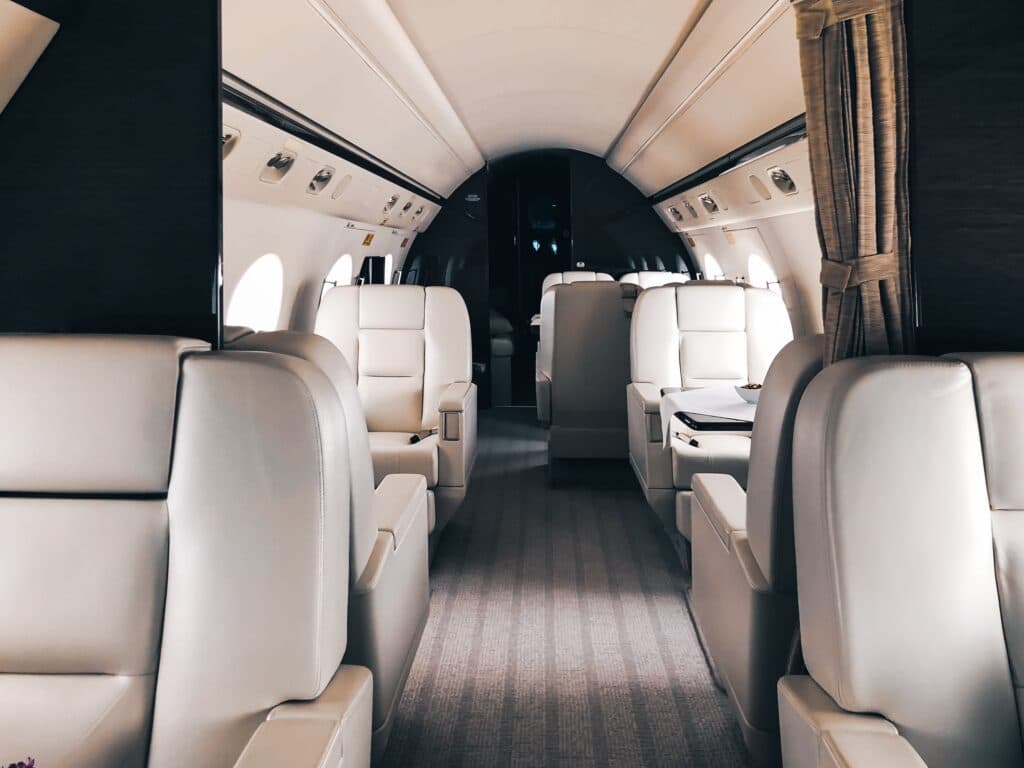
Cabin comfort is also vital, especially for long flights. Look for features like lay-flat seats, plenty of legroom, and in-flight entertainment.
The cabin’s size and layout, including seating and amenities, should meet your needs and preferences.
When buying a private jet, think about its range, payload, speed, altitude, and fuel efficiency. These factors affect the jet’s ability to meet your travel needs well and efficiently. Light jets are great for short trips with small groups.
Mid-size jets are better for longer trips and more comfort. Large jets are for bigger groups and luxury travel.
| Jet Category | Passenger Capacity | Comfort Rating | Ideal Use |
|---|---|---|---|
| Light Jets | 4-8 | 3/5 | Short trips, small groups |
| Mid-size Jets | 8-12 | 4/5 | Longer journeys, comfort-focused |
| Large Jets | 12-16 | 5/5 | Larger groups, luxury travel |
By carefully looking at these performance factors and getting advice from aviation experts, you can choose the right private jet. It should fit your business travel needs perfectly.
Budget Considerations
When you start looking at private jets, it’s key to think about your budget. The cost of a private jet is more than just the price tag. There are many ongoing expenses to consider.
The price of a private jet changes based on its size, age, and features. For example, a new, long-range jet like the Gulfstream G700 is pricier than a used light jet. Here are some cost ranges for different types of jets:
- Very Light Jets (VLJs): $2-5 million
- Light Jets: $5-10 million
- Midsize Jets: $10-20 million
- Heavy Jets: $20-50 million+
There are also ongoing costs to think about. These include:
| Operating Cost | Description |
|---|---|
| Fuel | Fuel use changes with the jet’s size and efficiency. For example, the HondaJet Elite is very fuel-efficient, which saves money. |
| Maintenance | Regular checks and repairs are needed to keep the jet safe and in good shape. |
| Crew Salaries | Having skilled pilots and crew costs a lot each month. |
| Hangar Fees | Keeping your jet in a safe hangar costs money each month or year. |
| Insurance | Good insurance is key to protect your investment and cover risks. |
Don’t forget about depreciation when planning your budget. Even top models like the Gulfstream G650 lose value over time. Think about the jet’s resale value when you decide to buy.

Skycolors / Shutterstock.com
Maintenance and Operational Costs
When looking at private jet ownership costs, it’s key to know the ongoing expenses.
These can range from $500,000 to $1,000,000 a year. This depends on the jet’s size, how often it’s used, and aircraft management services.
Fuel costs change based on the jet type. Light jets use up to $1,100 an hour, while large jets use $2,700. Storage costs are between $1,500 and $3,000 monthly.
Pilots can earn from $86,000 to over $300,000 a year. Cabin crew members make between $50,000 and $75,000 yearly.
| Jet Category | Fuel Cost per Flight Hour |
|---|---|
| Light Jet | Up to $1,100 |
| Midsize Jet | $1,500 |
| Super Midsize Jet | $1,900 |
| Large Jet | $2,700 |
Maintenance costs can be 2% of the jet’s original price each year for a used jet. Insurance for private jets costs between $10,000 and $500,000 annually. Other costs include FBO services like catering and cleaning.
Private jet costs fall into two groups:
- Fixed costs: initial purchase, insurance, storage, management fees
- Variable costs: fuel, crew costs, catering, unforeseen maintenance, navigation charges
With these high private jet ownership costs, it’s vital to team up with skilled aircraft management experts. They can help plan your budget and make sure your investment is well-managed.
Regulatory and Compliance Considerations
Buying a private jet means you must know the aircraft regulations and rules you’ll follow. It’s key to make sure your jet has the right certifications from places like the FAA or EASA. This ensures your jet can fly smoothly.
It’s also important to keep up with rules about noise and emissions. These rules can affect where and when you can fly your jet. An experienced aviation consultant can guide you through these rules and help you stay compliant.
| Regulatory Consideration | Importance |
|---|---|
| Aircraft Certifications (FAA, EASA) | Essential for legal operations |
| Noise and Emission Standards | Impacts when and where you can fly |
| Compliance with Safety Standards | Crucial for safe operations and insurance |
| Tax Considerations (Depreciation, Fuel Credits) | Can provide financial advantages |
Other important things to think about include:
- Routine maintenance and engine overhaul needs
- Crew salaries, insurance, and hangar costs
- Fuel prices and options for green fuel
- Tax benefits like depreciation and fuel credits
By getting to know the rules and working with experts, you can make sure owning a private jet is both safe and smart.
New vs. Pre-Owned Jets
Choosing between a new or pre-owned private jet is a big decision. New jets have the latest tech and customization, but they cost more.
Used jets are cheaper, with prices almost 50% lower, and can be ready to fly sooner.
But, used jets might need updates to fit your needs and could have higher upkeep costs. It’s crucial to check the jet’s history, maintenance records, and condition before buying. Look at the serial number, registration number, and recent maintenance to ensure safety and performance.
When looking at new and used jets, consider these points:
| Factor | New Private Jets | Pre-Owned Jets |
|---|---|---|
| Waiting Period | Up to 24 months | Can be delivered within a few months |
| Cost Savings | – | Almost 50% compared to new jets |
| Customization | Tailored to buyer’s preferences | May require refurbishment |
| Avionics | Latest technology | May require overhaul to update equipment |
| Warranties | Manufacturer warranties | Limited or no warranties |
Some used jets are almost new, with low hours, offering similar features to new ones. Advisors from the International Aircraft Dealers Association (IADA) can help. They offer guidance on taxes, contracts, and the technical side of buying a jet.

schusterbauer.com / Shutterstock.com
Financing and Ownership Models
When you think about buying a private jet, the financing and ownership models matter a lot. The cost of a new private jet can be anywhere from $7 million to $75 million. Some jets even cost more than that.
Bombardier jets, for example, can cost between $13.8 million and $72.8 million. Gulfstream jets range from $46.5 million to $69.5 million.
There are different ways to finance a private jet. You can get a loan from a bank or a private lending group. Lenders look at your credit history and financial situation before deciding.
If you don’t want to own a jet outright, there are other options:
- Private jet leasing
- Fractional jet ownership
- Private jet membership
- Jet card programs
- Private jet charter
Fractional aircraft ownership lets you share a jet with others. You can buy a share for around $549,000. It’s good for those who fly often but don’t need to own a jet.
Leasing a jet is another choice. It gives you access to a private jet without a long-term commitment. Charter services offer hourly rates starting at $6,000. Sometimes, you can find deals on empty leg flights.
| Jet Category | Cost Range |
|---|---|
| Very Light Jet (VLJ) | $5–$10 million |
| Light Jet | $10–$15 million |
| Midsize Jet | $15–$20 million |
| Super Midsize Jet | $20–$25 million |
| Large Jet | $36–$50 million |
| Long-Range Jet | $47–$80 million |
| Executive Airliner | $50–$110 million |
When planning for a private jet, remember to include extra costs. Fuel surcharges are about 7.5%. Insurance costs at least $10,000 a year. Hangar rental and crew expenses can add up a lot.
Landing fees also add to the cost. They can range from $100 to $500 per landing. These costs are important to consider when budgeting for a private jet.
Consult with Industry Experts
Buying a private jet can be tough, but experts can help.
Private aviation consultants, aircraft brokers, and private jet advisors have lots of experience. They guide you through the process, helping you make smart choices.
It’s key to know the market trends when buying a private jet. Prices have gone up, and there are fewer jets for sale than in 2019. Advisors can help you find a good deal and manage your jet well.
There are different ways to own a jet, and picking the right one is important. Fractional ownership is getting more popular. If you fly a lot, whole ownership might be better. But if you don’t fly often, fractional or jet card programs could be a better fit.
| Ownership Model | Minimum Flight Hours per Year | Considerations |
|---|---|---|
| Whole Aircraft Ownership | 300-400 | Resale values can fluctuate based on market conditions |
| Fractional Ownership | 100 | Conduct due diligence on the organization running the program |
| Jet Card Programs | Varies | Consider charting individual flights as a trial run before committing |
When looking at private jet programs, safety, financial health, and hidden costs matter a lot. Some jets might not be available due to maintenance.
It’s important to read contracts carefully. Also, some jet owners also have jet cards for more travel options.
Talking to industry experts can help you through these challenges. They use their knowledge to help you choose the best jet for you. This way, buying a private jet can be a smooth and successful experience.
Atosan / Shutterstock.com
Conclusion
Buying a private jet is a big decision that needs careful thought. You must consider your travel needs and the type of jet you want. It’s important to look at performance, budget, and how you’ll own the jet.
For example, a light jet like the Citation CJ1 is great for 4-6 people and travels 1,500 nautical miles. On the other hand, the Gulfstream G650 is bigger and has a longer range. Choose a jet that fits your needs and likes.
Remember, the cost of owning a jet isn’t just the price you pay for it. You also have to think about maintenance and running costs. Deciding between a new or used jet and following the rules also matter. Talking to experts in business aviation can help a lot.
By thinking about all these things and getting advice, you can pick the best private jet for you. Whether it’s for work or fun, a private jet offers comfort and flexibility. With the right jet and a good plan, you’ll enjoy the perks of owning a private jet.
Frequently asked questions
How do I determine the right size private jet for my needs?
First, think about how far you’ll be flying and how many people you’ll need to carry. Also, consider how much luggage you’ll need space for. Very Light Jets are good for short trips with a few people. Midsize and Large Jets are better for longer trips and bigger groups because they have more room.
What are the key performance factors to consider when choosing a private jet?
Look at the jet’s speed, how far it can take off and land, and how far it can fly. Faster jets save time on long trips. Jets that can land on shorter runways can go to more airports. The jet’s range is key to see if it can fly your usual routes without stopping for fuel.
How much does it cost to purchase and operate a private jet?
The price of a private jet varies a lot. It depends on its size, age, and features. You’ll need to pay a lot upfront and then ongoing costs like fuel, maintenance, and insurance. These costs can be hundreds of thousands to millions of dollars a year, depending on the jet and how often you use it.
What are the differences between buying a new and pre-owned private jet?
New jets have the latest tech and can be customized. They come with a warranty but cost more. Used jets can save money and get you flying sooner. But, they might need work and cost more to maintain. Always check the jet’s history and condition before buying.
What financing options are available for private jet ownership?
There are loans, leases, fractional ownership, and charter agreements for financing jets. Loans let you pay over time. Fractional ownership splits the cost and use of a jet with others. Leases and charters offer jet access without the big upfront cost or long-term commitment.
How can industry experts assist in the private jet purchasing process?
Experts like consultants, brokers, and lawyers can help a lot. They know the market, rules, and best practices. They can find the right jet, negotiate, and guide you through the process to make it smooth.
Featured Image: Juice Flair / Shutterstock.com
Related
Related guides
Aircraft in this guide
Read next
How To Choose The Right Private Jet Management Company
Whether you travel frequently for business or pleasure, a private jet management company is essential.
January 15, 2026 · 10 min read
The Best Way to Purchase a Private Jet – How To Guide
Considering purchasing a private jet? Here is everything you need to know to purchase a private jet. From sourcing to flying. Costs to income.
August 22, 2024 · 6 min read
Exchange Funds
How to find the right exchange fund provider for you
A list of exchange fund providers and how they compare on minimum investment, fees, and holding period, so you can pick the right fund.
September 3, 2026 · 4 min read


Charter Sales
Tell us the trip. We'll tell you the number.
Route, dates, rough timing, how many people. That is enough to start, and you get a firm price for that specific trip rather than a range.
Text us and you'll get a reply within 60 seconds, any hour.