



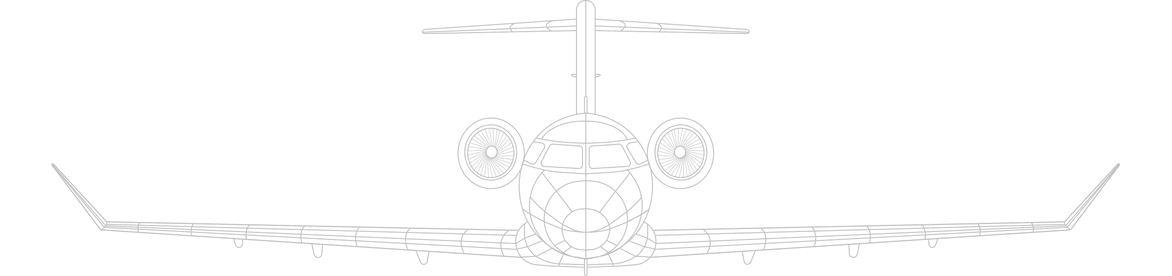
For Challenger owners
Aircraft leaseback. You own the Challenger. We fly it.
Put your Challenger 300 or 350 on CRAFT's Part 135 certificate. We cover the costs of operating it, including crew, maintenance and compliance. You keep the aircraft and its bonus depreciation, and you get our whole fleet, not just one tail.

Talk to Natan Benchimol, Executive Vice President
+1 (323) 215-9495 · Book a time
- FAA Part 135 operator
- ARGUS Platinum Rated
- Wyvern registry
- Starlink on every aircraft
- Flying since 2020
What a leaseback is
Your aircraft, flying for you when you aren't.
In an aircraft leaseback, you own the jet and lease it to an operator. The operator flies it for charter under its FAA Part 135 certificate when you are not using it, and that revenue goes against what the aircraft costs to own: crew salaries, maintenance, insurance, hangar and training.
Two other things share the name. A sale-leaseback is a financing deal: you sell the aircraft to a lender and lease it back, so you no longer own it. And most leasebacks you will read about are small piston aircraft leased to flight schools. This page is about the first kind, for a super-midsize jet, with an operator that runs a fleet of the same type.
With CRAFT, the deal is simple to state: your aircraft goes on our certificate, we cover the costs of operating it, and the ownership benefits stay with you.
Who carries what
You own it. We run it.
Yours
- Ownership of the aircraft, and its bonus depreciation tax benefit
- Your own aircraft for your trips
- Access to the whole CRAFT Challenger fleet, including when your tail is down for maintenance
Ours
- The costs of operating the aircraft
- Crews, trained and current on the Challenger
- Maintenance, done in house by a team that works on the same airframe every day
- Part 135 compliance, audits and the paperwork that comes with them
Every leaseback is governed by its own written agreement, which sets out exactly what each side covers.
How it works
From your hangar to our certificate.
Step 1: Talk it through
Tell us the aircraft (type, year, hours, where it is based) and how you fly it. We tell you plainly whether leaseback fits.Step 2: Agree the terms
One written agreement covering costs, how your own trips are scheduled, and what happens when the aircraft is in maintenance.Step 3: Join the certificate
We inspect the aircraft and add it to our Part 135 operations specifications with the FAA, then crew and maintain it as part of the fleet.Step 4: Fly
Your aircraft for your trips, another CRAFT Challenger when yours is down, and charter flying in between.
One aircraft, a whole fleet
Maintenance day isn't a grounded day.
A single-aircraft owner loses the airplane every time it goes in for an inspection. On leaseback with CRAFT, you own one Challenger and have access to five, all with the same stand-up cabin, flat floor and Starlink, so a scheduled inspection does not cancel your trip.
The aircraft is maintained and flown by an operator that knows the airframe: our fleet is all Challenger 300 and 350, our maintenance is in house, and our crews fly nothing else.
Leaseback vs the alternatives
Four ways to fly a jet you can count on.
| CRAFT LeasebackOwn it, on our certificate | Own and fly Part 91Your own flight department | Management companyManaged for a fee | Fleet Jet CardBuy hours, own nothing | |
|---|---|---|---|---|
| You own the aircraft | Yes | Yes | Yes | No |
| Depreciation (with qualifying business use) | Yours | Yours | Yours | None |
| Operating costs | Covered by CRAFT | All yours | Yours, plus a management fee | In the hourly rate |
| Charter revenue offsets costs | Yes | No | If you charter it | Not applicable |
| Fly when your aircraft is in maintenance | Yes, on the fleet | Charter elsewhere | Depends on the manager | Yes |
More on each: private jet management, what owning a jet costs, jet card vs fractional and the Fleet Jet Card.
Tax
The depreciation stays with the owner.
Because you keep the aircraft, you keep its tax treatment. Bonus depreciation lets a business deduct much of an aircraft's cost in the year it is placed in service, and for aircraft acquired after January 19, 2025 it is back at 100%.
To qualify, an aircraft generally has to be used more than 50% for qualified business use. Charter flights for unrelated customers through a Part 135 operator can count toward that, which is one reason owners put aircraft on a certificate.
The certificate
Who your aircraft flies with.
CRAFT holds its own FAA Part 135 certificate, operates five Challenger 300 and 350 aircraft from Opa-locka Executive Airport, maintains them in house and employs the crews who fly them. We are ARGUS Platinum Rated and listed on the Wyvern registry.
You can verify the certificate and every tail on the FAA's list of Part 135 operators before you talk to us.
The fleet your aircraft joins
Five Challengers. One cabin standard.
 Pod 1
Pod 1N971MC
Challenger 300
9 seats · 3,000 mi2008, refurbished 2020
 Pod 2
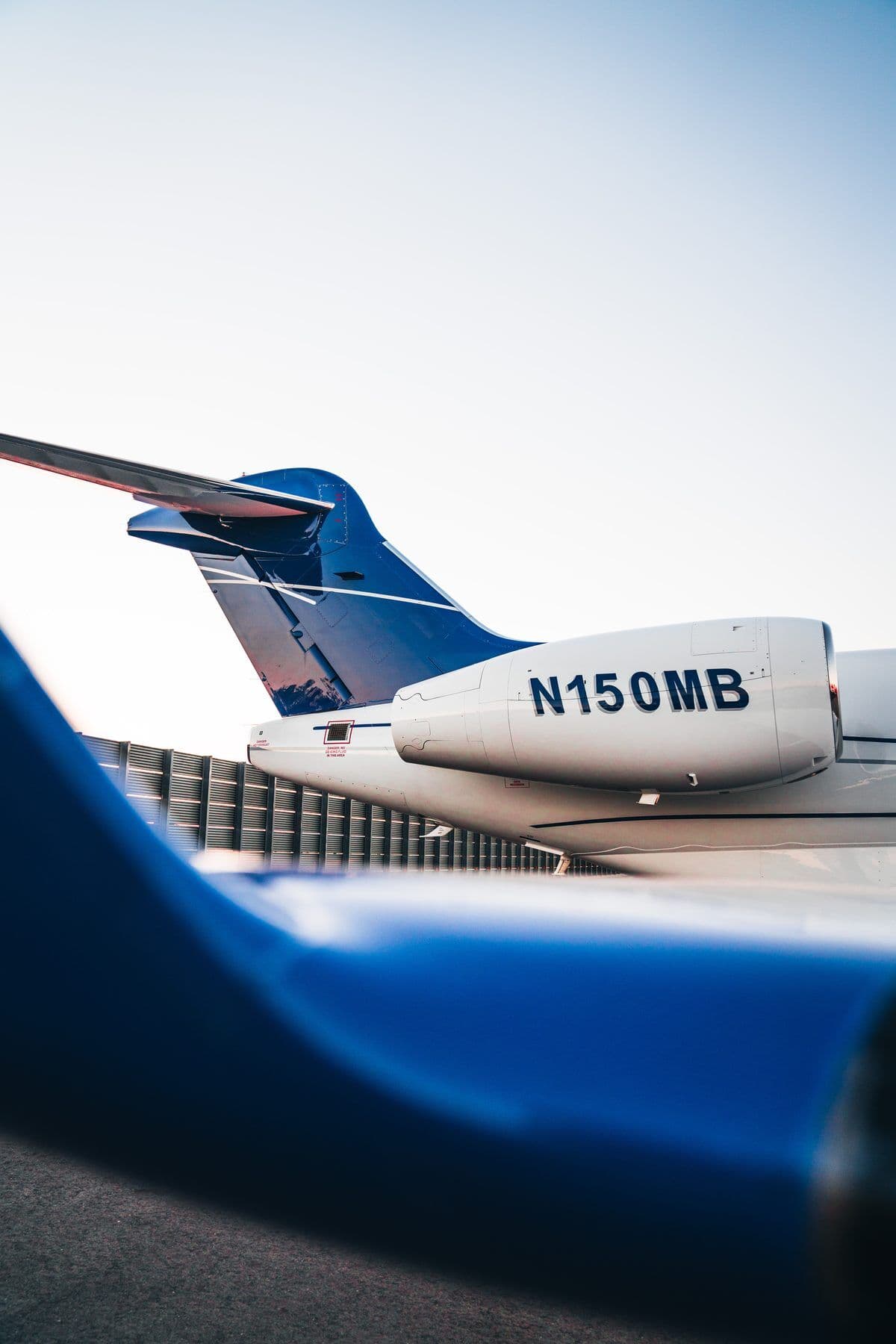
Pod 2N150MB
Challenger 300
9 seats · 3,000 mi2008, refurbished 2019
 Pod 3
Pod 3N251FT
Challenger 300
9 seats · 3,000 mi2011, refurbished 2022
 Pod 5
Pod 5N395PD
Challenger 350
8 seats · 3,200 mi2015
 Pod 6
Pod 6N396PD
Challenger 350
8 seats · 3,200 mi2014, refurbished 2017
What is an aircraft leaseback?
You own the aircraft and lease it to an operator, which flies it for charter under its own FAA Part 135 certificate when you are not using it. The charter revenue goes against the fixed costs of ownership: crew, maintenance, insurance, hangar and training. With CRAFT, your aircraft goes on our certificate and we cover the costs of operating it.
Is a leaseback the same as a sale-leaseback?
No. In a sale-leaseback you sell the aircraft to a lender or lessor and lease it back, usually to free up the cash tied up in it; you no longer own it. In an operator leaseback, which is what CRAFT offers, you keep ownership and the operator flies the aircraft for charter when you are not using it.
Who pays for crew, maintenance and insurance?
In CRAFT Leaseback, we cover the costs of operating the aircraft, including crew, maintenance and compliance with the Part 135 rules. The exact split is set in the written leaseback agreement for your aircraft, and we walk through it line by line before you sign.
Which aircraft does CRAFT take on leaseback?
Challengers. Our fleet is the Challenger 300 and 350, our crews are trained on them and we maintain them in house, so a Challenger joins a fleet that already knows the airframe. If you are about to buy one, talk to us before you close.
Can I still fly my own aircraft whenever I want?
Your aircraft is yours to fly. How your trips are scheduled and billed is set in the leaseback agreement. When your aircraft is down for scheduled maintenance, you fly on another CRAFT Challenger instead, so maintenance does not ground you.
Does a leaseback help with bonus depreciation?
It can. Bonus depreciation lets a business deduct much of an aircraft's cost in the year it is placed in service, and for aircraft acquired after January 19, 2025 it is back at 100%. The aircraft generally has to be used more than 50% for qualified business use, and charter flights for unrelated customers through a Part 135 operator can count toward that. The rules on personal flights, related parties and passive activity are detailed, so confirm your structure with an aviation tax adviser before you buy.
What is the difference between leaseback and aircraft management?
A management company looks after an owner's aircraft for a fee: crew, maintenance, scheduling and, if the owner wants, charter. The owner pays the costs and keeps the revenue. In CRAFT Leaseback, the aircraft goes on our Part 135 certificate as part of the fleet, we cover the operating costs, and you get access to the rest of the fleet as well as your own aircraft.
How do I start?
Tell Natan about the aircraft (type, year, hours, where it is based) and how you fly it. He will walk you through what putting it on our certificate would look like, and what the agreement covers, before anything is signed.
Leaseback
Tell us about the aircraft. We'll show you how it works on our certificate.
Reach Natan Benchimol, Executive Vice President, on +1 (323) 215-9495 or natan@flycraft.com.
Text us and you'll get a reply within 60 seconds, any hour.