Ownership
How Much Do Private Jets Depreciate in Value?
Discover how much private jets depreciate in value over the course of their lifetime, along with the jets that hold their value the best.
 BenedictPrivate Aviation ConsultantUpdated January 21, 2026 · Published December 18, 2024 · 11 min read
Generally speaking, private jets will depreciate in value.
Yes, there are exceptions to this rule. For example, in late 2007 and early 2008, flipping a brand-new aircraft or selling your delivery slot could result in profit. However, over almost any period of time, private jets will lose value.
This makes sense given that the older a jet gets, the more maintenance is required, the less efficient it is, the less comfortable it is compared with new aircraft, and the older its technology is.
Therefore, knowing that private jets depreciate in value, the most important question to ask is by how much.
Well, like virtually everything in aviation, there are a variety of factors that will influence the depreciation rate, and no two jets are the same. As a result, some business jets will hold their value better than others.
Purchasing an aircraft that holds its value best will result in a minimal loss when it comes time to sell.
It is important to note that the depreciation rate is not the only factor that needs to be considered when costing out an aircraft purchase.
Additionally, there are other factors that can help offset the depreciation, and there can be many tax benefits to depreciation, including bonus depreciation rules and tax savings.
This article is just looking at the aircraft that hold their value best over a five-year period.
tratong / Shutterstock.com
Why Do Private Jets Depreciate?
Like many depreciable assets, private jets depreciate. In many ways, the reasons for private jets depreciating are similar to those of cars.
There are three key factors that affect the depreciation expense of private jets: age, hours, and features.
Essentially, the older the aircraft, the higher the flight hours, and the fewer features, the less the aircraft will be worth.
Of course, there are nuances within these principles.
Firstly, age. The older an aircraft, the more maintenance will be required. Compared with newer business aircraft, older private jets will be less fuel efficient, less comfortable, and have older technology. Therefore, older aircraft are worth less than newer ones.
However, much like with cars, the depreciation curve isn’t linear. Within the first year and subsequent years, a private jet will see the greatest loss in value.
Over time, the curve will flatten, and year-on-year, the aircraft’s cost will lose a lower percentage of its value.
Secondly, aircraft usage. Hours for business jets are like mileage for cars. The more hours an aircraft has, the less it will be worth.
Private jets are designed to be used—designed to fly.
Aircraft depreciation is influenced by the number of hours they have. The more hours they fly, the faster the aircraft will depreciate.
Higher usage increases the likelihood of component failure and maintenance needs.
Additionally, the interior will see wear and tear, requiring refurbishment. These factors all impact depreciation deductions.
Furthermore, people value new aircraft. Being the first owner of an aircraft offers customization and exclusivity, which is highly desirable.
Subsequent years of ownership lose this appeal, decreasing the aircraft’s value.
Thirdly, the features. Corporate jets are full of technology. However, like a mobile phone, technology becomes quickly outdated. This makes the private aircraft worth less on the preowned aircraft market.
Of course, owners can replace and upgrade technology. However, these upgrades may not match the level of an aircraft with fully integrated, latest-generation systems.
Additionally, older aircraft may not qualify for certain upgrades due to special rules or compatibility limitations.
aappp / Shutterstock.com
Depreciation Rate for Private Jets
As is a common theme in the world of private jet ownership, no two business aircraft are the same. This also applies to the depreciation deductions of different jets.
However, if you are interested in the average for each class of business jets and not the individual figures, then here they are:
- VLJs – 25%
- Light Jets – 23%
- Medium Jets – 26%
- Large Jets – 26%
Therefore, the average depreciation rate for a private jet is 25% over 5 years. For example, if you purchased an aircraft today for $10 million, in five years it is estimated to be worth around $7.5 million.
The figures below represent the average estimated depreciation rate over the last 5 years of production for each aircraft. For example, if an aircraft were manufactured between 2002 and 2015, the depreciation figure represents the percentage depreciation from the 2010 model year to the 2015 model year.
For aircraft with a production run of under 5 years or for current-day aircraft that haven’t been around for 5 years, a small time frame is used.
Use the graph below to discover the depreciation rate for different types of private jets. Lower is better (i.e. the lower the percent, the less the aircraft depreciates).
Why Some Jets Hold Their Value Better
As you can see from the graph above, there is quite a variety of depreciation rates. Ranging from 0.2% to over 60%. Why is this?
Well, with some of the aircraft, it is important to note that the depreciation rate is high due to being a new aircraft. For example, the Gulfstream G700. There is very little data to go off. Therefore, this value will settle down over the next few years and likely come closer to that of the G650.
One of the main factors that influence the depreciation rate of an aircraft is popularity. The more people want an aircraft, the better it will hold its value.
Having the G650 top the list is hardly surprising. It is a highly capable, comfortable, and modern aircraft. It is one of the most popular aircraft within the large jet category.
Additionally, the PC-24 holds its value well given its unique capabilities. If you want a midsize jet that can land on gravel runways, this is your only option.
However, when you look toward the bottom of the list (i.e. those aircraft with a high rate of depreciation), there is a common trend.
Firstly, aircraft within a competitive environment. For example, the Global 5000 and 6000 aircraft, Falcon 8X, Legacy 650, and Challenger 650. These are aircraft within a saturated market with strong competition. Therefore, many owners would happily take either a Global 5000 or Falcon 8X.
Additionally, many of the aircraft at the lower end of the list are larger aircraft. Light jets are traditionally the most popular category of aircraft. They are more useable and typically fit mission criteria better.
Therefore, there is less demand for larger aircraft on the pre-owned market. Moreover, the larger the aircraft, the larger the operating costs. This, again, closes off the market to a lot of customers.
There are plenty of owners who can comfortably own and operate a Phenom 300. However, owning and operating a Falcon 8X would be too much of a stretch.
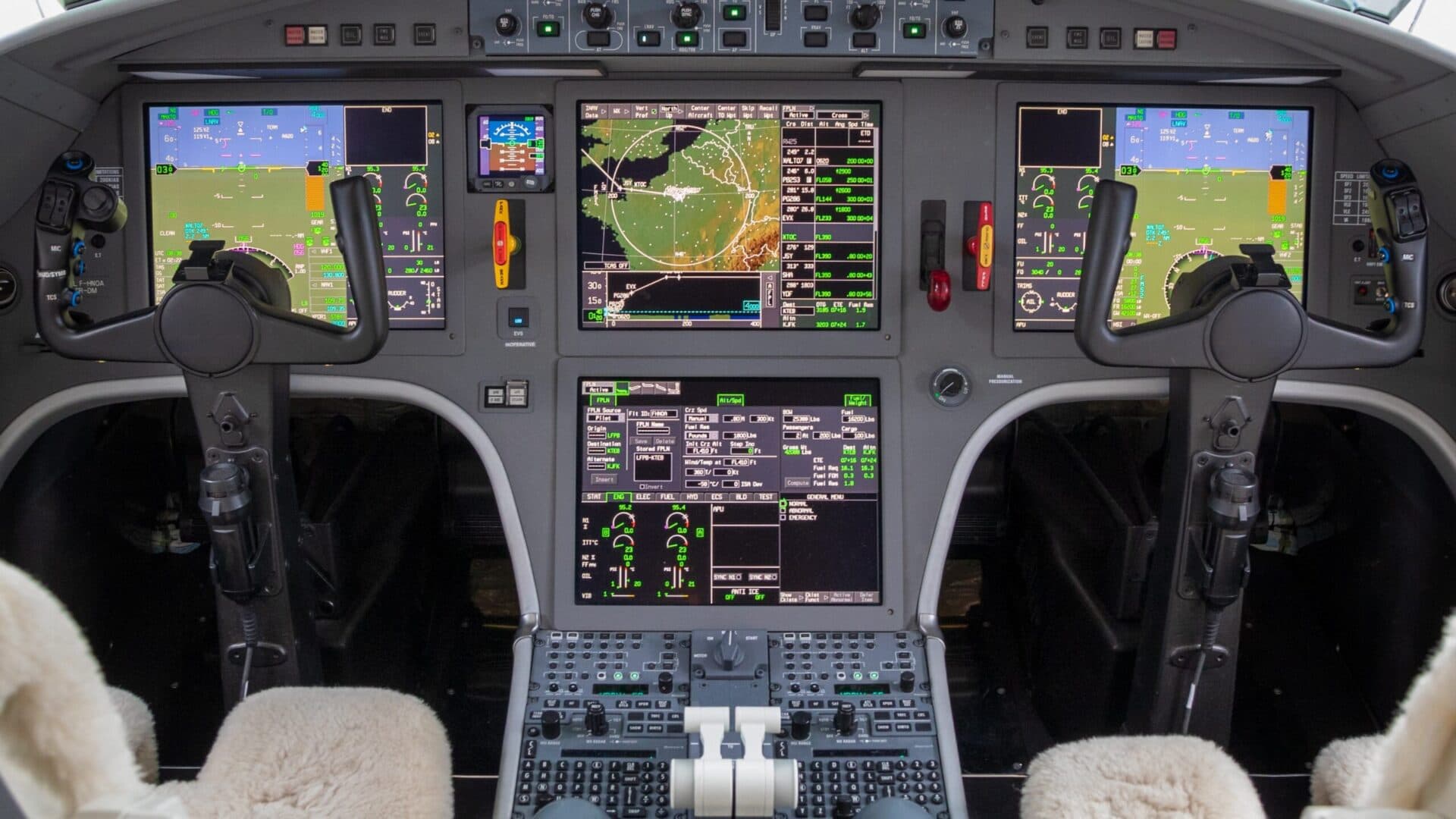
VanderWolf Images / Shutterstock.com
What Factors Affect Private Jet Depreciation?
Airframe Hours: These measure the time an aircraft spends in the air, from take-off to landing. The impact of airframe hours on a jet’s value depends on how they compare to the fleet average, typically around 400 hours per year.
Jets with higher-than-average airframe hours see a decrease in value for every additional hour, while those with lower-than-average hours experience less depreciation.
Additionally, the age of the aircraft affects the significance of airframe hours; excess hours have a greater impact on newer jets than older ones.
Engine Hours: These are calculated from engine start-up to shut-down. Similar to airframe hours, higher engine hours reduce an aircraft’s value, especially as the engine approaches its recommended overhaul time.
However, extremely low engine hours do not increase value, as consistent use and proper maintenance are critical to maintaining an engine’s worth.
Aircraft Records: Complete aircraft records are similar to the value that a full service record provides for a car. Records that demonstrate regular maintenance and appropriate responses to Airworthiness Directives will all help to increase the value of pre-owned private jets.
The aircraft’s airworthiness certificate, engine and airframe logbooks, aircraft equipment list, weight and balance data, aircraft flight manual or owner’s handbook, will all help to increase the aircraft’s value.
Fasttailwind / Shutterstock.com
Damage History: Put simply, any damage history on a private jet will decrease its resale value. Of course, the extent to which its value will be affected is hard to say. This is because the nature of damage can vary significantly from aircraft to aircraft.
Factors such as the type of accident, severity of the damage, who repaired the damage and if other components were affected will all influence the extent to which the resale value is affected.
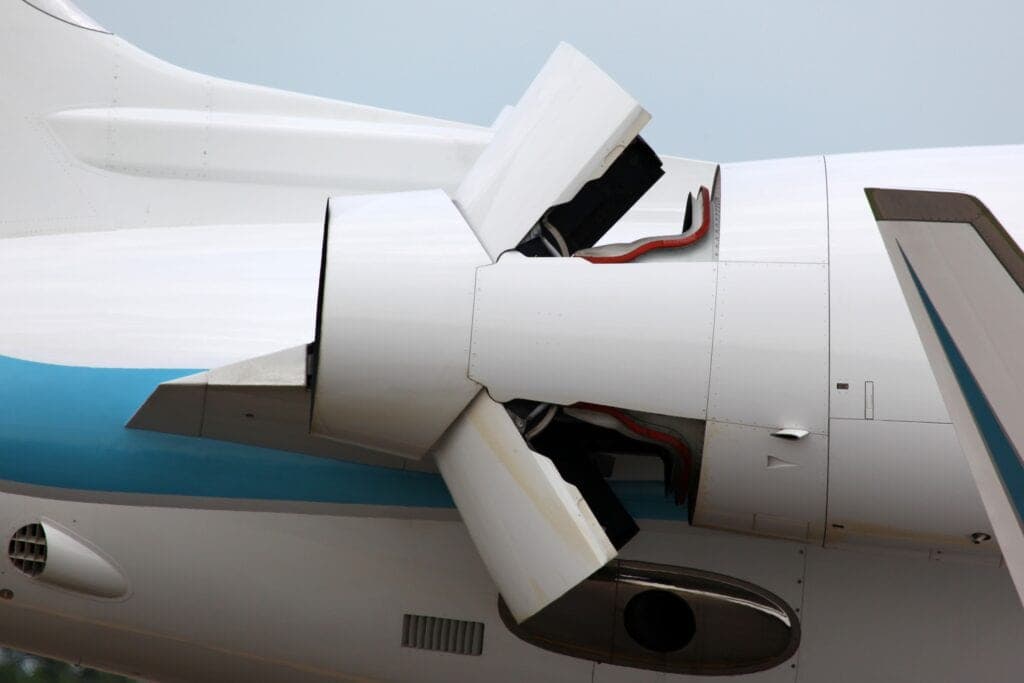
Equipment: The age of the equipment in both the cockpit and the cabin will affect a private jet’s resale value. The impact can be both positive and negative.
For example, it is possible for some owners to double their aircraft’s value through upgrading the avionics. Alternatively, upgrading avionics may cost more than the lost resale value.
Therefore, it is important to consider the ‘true’ cost of upgrading equipment. Additionally, having old air conditioning systems and avionics can result in costly maintenance bills.
Yet you must also consider that most owners will want to avoid the hassle of having their aircraft down for repairs.
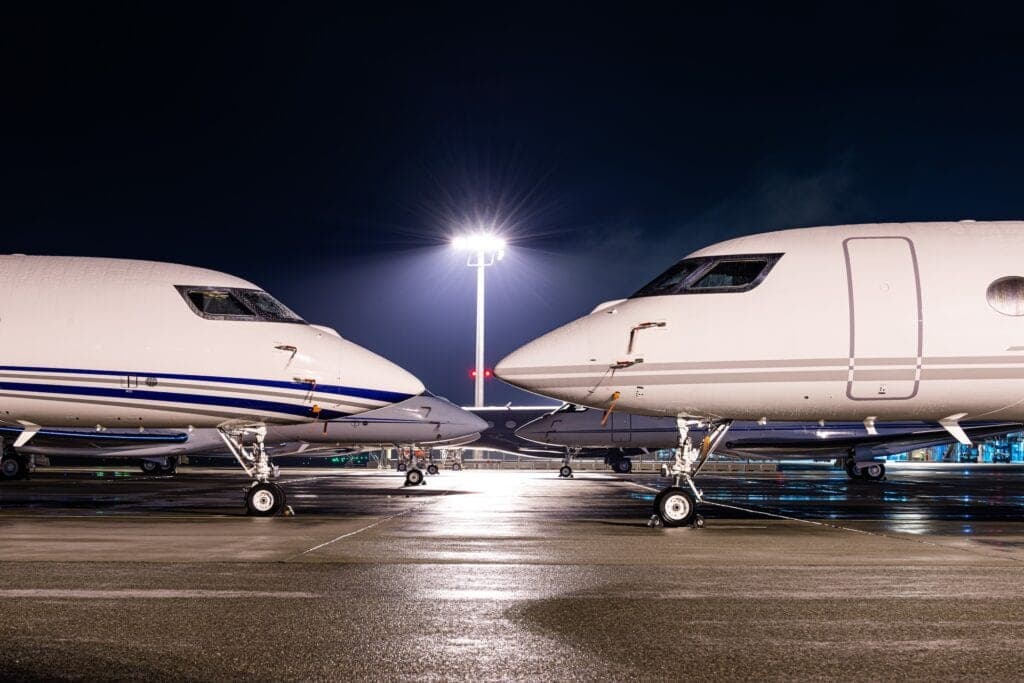
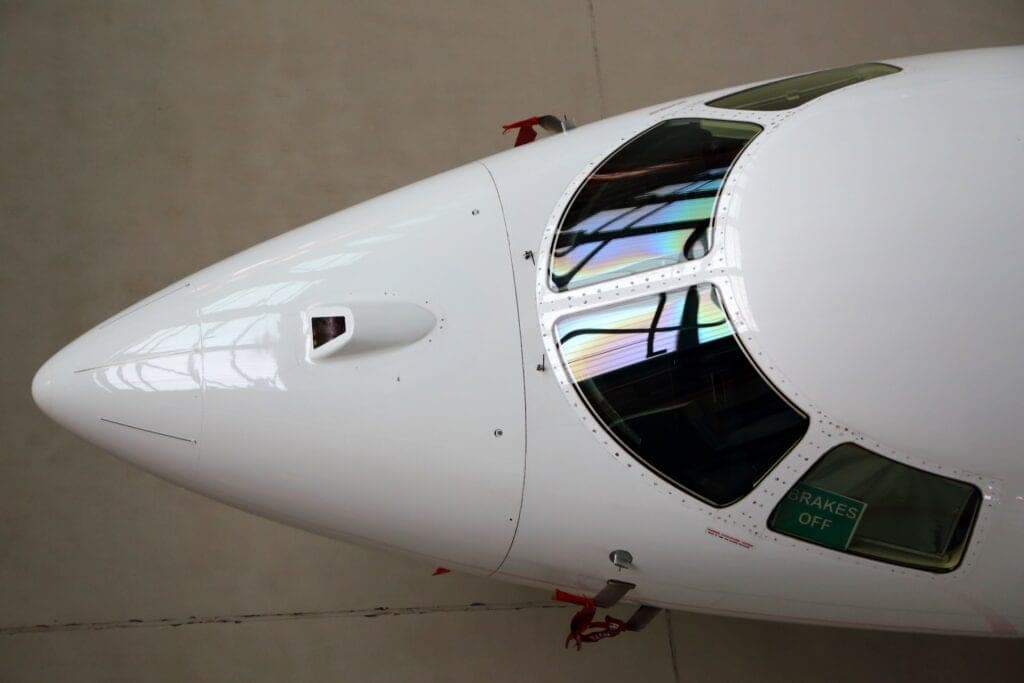
Exterior Condition: Following on from the point that everyone likes new things – new paint will go a long way to increase the value of an aircraft.
However, buyers should be careful if the aircraft has a fresh paint job as it may be hiding corrosion. Corrosion is something that will significantly decrease the value of an aircraft.
Interior Condition: The condition of the interior of a private jet will also impact the resale value. Interiors with rips and stains are not what buyers want.
Moreover, the appearance of the interior is something that can make an aircraft look modern or dated. Therefore, for many sellers, a sensible choice is sometimes to update the interior with patterns and fabrics that represent the latest trends.
Thierry Weber / Shutterstock.com
How to Minimize Depreciation
When it comes to maintaining the value of your private jet, there are several key factors to consider:
1. Hours: The more the aircraft flies, the more its resale value will decrease. However, there is a point at which not flying enough can have a negative impact on value as well.
Aircraft are designed to be flown, and by not flying, rubber seals and other components can become perished or malfunction.
Therefore, it’s important to find a balance—fly the aircraft enough to maintain its functionality and prevent deterioration, but be mindful of excessive flying that accelerates depreciation.
For example, if you’re considering chartering your aircraft, you should calculate the potential charter income against the depreciation caused by increased hours.
2. Maintenance Programs: A well-maintained aircraft holds its value much better than one with an uncertain maintenance history.
Enrolling your aircraft in a certified maintenance program gives future buyers peace of mind, knowing the aircraft has been maintained to approved standards and on schedule.
This can also potentially extend the life of the aircraft and prevent costly repairs in the future.
3. Condition: The condition of your aircraft can significantly impact its value.
Refurbishing the interior to OEM (Original Equipment Manufacturer) standards, maintaining the paintwork, and upgrading the technology all help to preserve and even increase the aircraft’s value.
By staying current with the latest technology, features, and materials (e.g., new leather interiors), your aircraft will appeal to buyers who are looking for modern, well-maintained options.
As a general rule, buyers prefer new things, so keeping the aircraft up to date can help mitigate depreciation.
4. Don’t Buy New: New aircraft, much like new cars, experience the greatest depreciation during the first few years.
Therefore, purchasing an aircraft that’s a few years old can help avoid the sharpest depreciation curve.
However, this decision should be balanced with your specific usage needs and the benefits versus drawbacks of buying pre-owned versus new.
5. Choose Wisely: Ultimately, some aircraft models hold their value better than others.
By selecting a model known for retaining its value, you can protect yourself from the steep depreciation that plagues certain aircraft.
Researching aircraft with good resale histories and considering the market demand for specific models can significantly influence long-term value retention.
By following these key principles, you can maximize the resale value of your private jet and ensure that your asset depreciates as slowly as possible.
Fasttailwind / Shutterstock.com
Tax Benefits of Private Jet Ownership for Business Owners
Owning a private aircraft, such as a Gulfstream G650 or even a commercial aircraft, can offer significant tax benefits under the current tax law, particularly for high-net-worth individuals and prospective aircraft owners.
If the aircraft is used primarily for qualified business purposes, it may be eligible for accelerated depreciation under the Modified Accelerated Cost Recovery System (MACRS).
This allows owners to deduct a portion of the purchase price of the aircraft as a tax deduction, reducing their taxable income significantly.
Key Tax Considerations
One of the most notable tax incentives for aircraft owners is bonus depreciation, which allows for an immediate tax write-off of up to 100% of the aircraft’s cost in the year of acquisition under the Tax Cuts and Jobs Act.
This provision, often referred to as the percent bonus depreciation, can be applied to new plane purchases as well as pre-owned aircraft, provided the aircraft is used for qualified business use.
However, it’s important to note that the tax rate applied to any bonus depreciation can vary depending on the primary use of the aircraft, so working with a tax professional is crucial.
In some cases, aircraft bonus depreciation may be delayed by up to one year, with a non-refundable deposit potentially affecting the taxable income for the year in which the purchase is made.
If the aircraft is used for both business travel and personal purposes, the percent test will help determine the portion of depreciation that can be claimed for business expenses.
Impact on Business Taxes
For business owners, the tax burden can be reduced through careful planning.
By categorizing the aircraft as production of income property and ensuring it is used for qualified business purposes, such as charter service or private jet charter, the owner can benefit from significant tax implications including straight-line depreciation and other potential tax cuts.
Additionally, keeping track of business expenses associated with aircraft use, such as fuel, maintenance, and storage, can provide further tax benefits.
Future Years and Tax Code Changes
Looking ahead, the Internal Revenue Service (IRS) may make changes to the tax code in future years, including adjustments to the recovery period or accelerated depreciation rules.
Tax advisors and tax professionals should be consulted to ensure that the potential impact of any tax law changes is factored into the aircraft’s depreciation strategy, particularly for later years.
Owners should also stay aware of state sales tax and how it may affect the tax return process, especially when purchasing aircraft in different states.
SturmUfa / Shutterstock.com
Summary
In 99% of situations, private jets will lose value as they age. This is a common trend for most utility assets, but there are ways to mitigate depreciation and even slow it down. Not all aircraft lose their value at the same rate, so careful selection and proactive maintenance are key to maintaining the best possible resale value.
By selecting the right model, keeping the aircraft in top condition, and understanding the nuances of depreciation, you can help reduce the value loss and protect your investment in the long term.
Featured Image: Stephen Finn / Shutterstock.com
Related
Related guides
Aircraft in this guide
Read next
Ownership Cost
The Investment Value of Fractional Jet Ownership
Fractional jet ownership allows you to buy a piece of an actual plane.
February 3, 2026 · 4 min read
Statistics
How much is a private jet?
How much is a private jet? New prices from $3.5M (Cirrus Vision Jet) to $85M (Global 8000), used prices by build year and yearly running costs for 90 models.
October 5, 2026 · 3 min read
How Much Does It Cost to Own a Private Jet?
What owning a private jet costs each year by jet size: crew, hangar, insurance, maintenance, fuel and management, plus leasing and when owning pays.
October 5, 2026 · 7 min read

Charter Sales
Tell us the trip. We'll tell you the number.
Route, dates, rough timing, how many people. That is enough to start, and you get a firm price for that specific trip rather than a range.
Text us and you'll get a reply within 60 seconds, any hour.