Basics
What Is an FBO? Fixed-Base Operators, Explained
FBO stands for fixed-base operator: the private terminal at an airport where private jets fuel, park and board. What an FBO does, what it costs and how customs works.
 BenedictPrivate Aviation ConsultantUpdated October 5, 2026 · Published January 21, 2026 · 5 min read
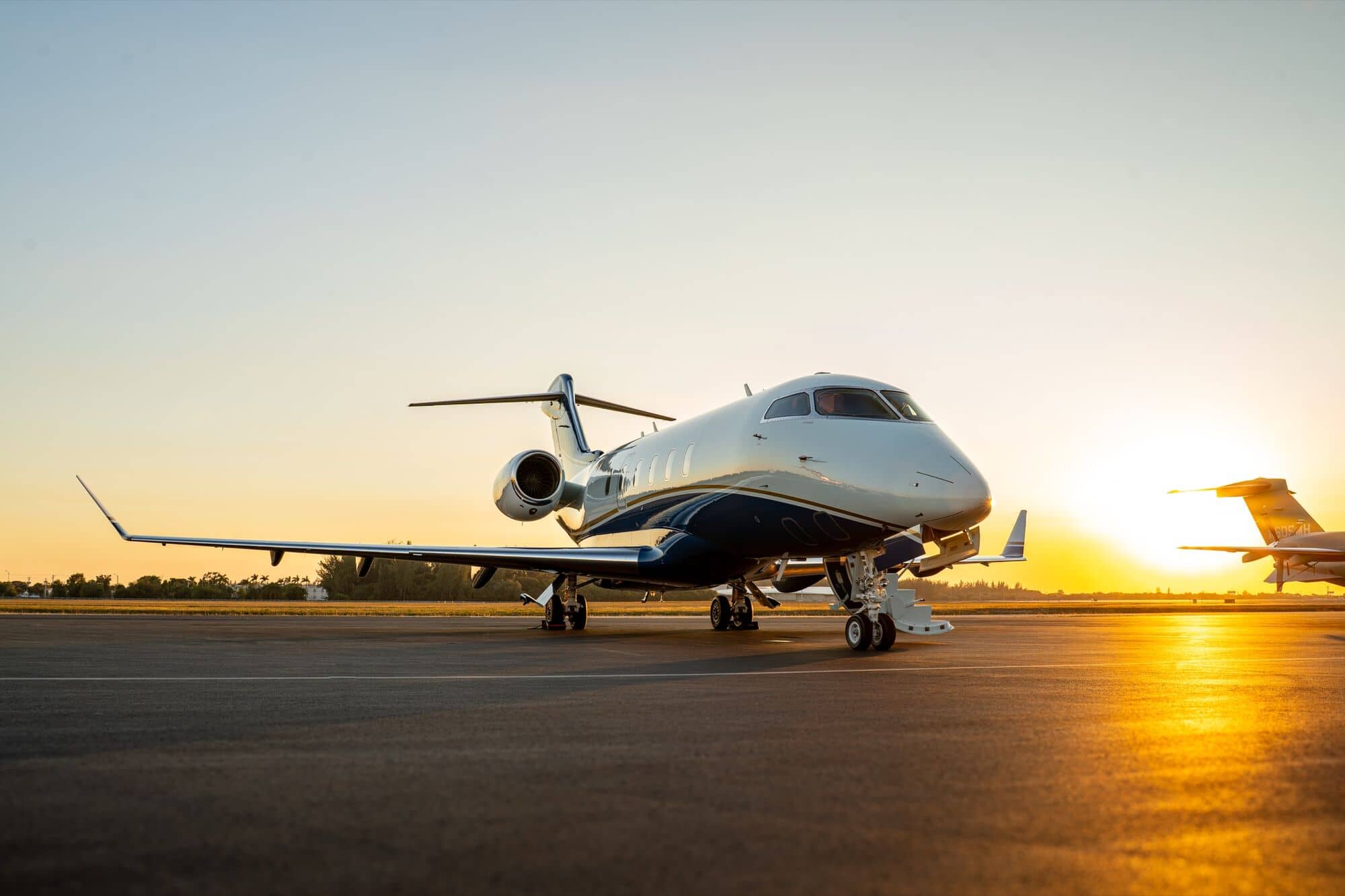
FBO stands for fixed-base operator. It is the business an airport authorizes to look after private aircraft and their passengers: the private terminal you check in at, the ramp where the jet parks, the fuel truck, the hangar, and the people who load your bags. If you fly private, the FBO is the airport.
The name dates from the early days of aviation, when pilots and mechanics who set up permanent businesses at an airfield called themselves fixed-base operators, to set themselves apart from the itinerant barnstormers flying from field to field. The airfield stayed; the name stuck.
What an FBO does
An FBO has two customers: the aircraft and the people on it.
For the aircraft
- Fuel. Jet fuel, delivered by truck to the aircraft. Fuel is most of an FBO's business, which is why so many of its other fees fall away when an operator buys fuel.
- Ramp and hangar space. Parking on the ramp for a few hours, or a heated hangar overnight. At busy airports on peak days, ramp space runs out, and that alone can decide which FBO a flight uses.
- Ground handling. Marshalling the aircraft in, towing, chocks, power carts, lavatory and water service, de-icing in winter.
- Maintenance. Many FBOs have a repair shop on the field, or work alongside one.
For passengers and crew
- The private terminal. A lobby and lounge, restrooms, Wi-Fi and conference rooms, and a desk that knows your tail number. Cars can usually drive up to the building, and at many FBOs out to the aircraft itself.
- Bags and boarding. Staff take bags from the car to the aircraft. There is no airline check-in, gate or boarding call: the crew greets you, checks IDs and you board.
- Arrangements. Catering, ground transport, rental cars and hotel bookings on request.
- A crew lounge. Flight-planning rooms and rest areas for pilots between legs.
FBO vs. the airline terminal
| Compared | FBO (private terminal) | Airline terminal |
|---|---|---|
| Who uses it | Private, charter and corporate flights | Scheduled airline passengers |
| Arrive before departure | Usually 15 to 30 minutes | Often two hours or more |
| Security | No airline checkpoint; the operator checks IDs (larger charter aircraft run their own TSA-approved program) | TSA checkpoint for everyone |
| Bags | Carried from your car to the aircraft | Checked at a counter, collected at a carousel |
| Getting to the aircraft | Walk or drive across the ramp | Gate, jet bridge or bus |
| Who pays for it | The aircraft operator, through fuel and fees | Built into the airline ticket |
Which airports private jets use
Private jets can use far more airports than airlines can, and in most big cities they favor a quieter general-aviation airport over the main airline hub: shorter taxi times, no airline traffic, and FBOs built around private flights. New York's private flights mostly use Teterboro (TEB), Westchester (HPN) and Morristown (MMU); Los Angeles has Van Nuys (VNY); Miami has Opa-locka (OPF); Dallas has Love Field (DAL); Atlanta has Peachtree-DeKalb (PDK).
Airline airports work too. Every major airport has FBOs on the far side of the field from the airline terminals, so a private flight into Palm Beach (DJT, formerly PBI) or Las Vegas (LAS) never goes near the airline crowds.
What decides the airport is the runway, the distance to where you're going, customs if you're crossing a border, and on busy days whether the FBOs have room. Our private jet airport pages cover each airport we fly to: runways and which jet sizes they suit, U.S. Customs, curfews and weight rules from the FAA's own airport data, and how far each is from downtown.
What an FBO costs
The FBO's bill goes to the aircraft operator, not to the passengers. The usual lines:
- Fuel. Priced per gallon, and the biggest line by far. Prices vary from one FBO to the next on the same field.
- Handling or facility fee. A charge for using the FBO, often reduced or waived when the operator buys a minimum amount of fuel.
- Parking and hangar. By the night, by aircraft size.
- Extras. Catering, de-icing, lavatory service, after-hours call-outs.
- Airport fees. Landing fees and similar charges belong to the airport, and the FBO often collects them.
On a charter, these are either in the price or listed as fees on the quote. When you compare quotes, check which: a lower hourly rate with handling, parking and de-icing added can end up costing more. Our route cost pages list what the hourly rate leaves out on every route.
FBOs and customs
International private flights clear customs at the FBO, not in an airline arrivals hall. In the U.S., the airport has to have Customs and Border Protection available, and the FAA's airport data lists three kinds:
- Airport of entry. Customs is set up to clear international arrivals.
- Landing-rights airport. Customs is there, but each arrival asks permission in advance.
- User-fee airport. Customs officers come out on request, and the airport charges for it.
Officers usually meet the aircraft at the FBO, check passports and the declaration, and the flight is cleared in minutes. Customs hours are limited at many airports, which is one reason an international trip is planned around the arrival airport. Each of our airport pages shows which kind the FAA lists.
FBO chains and independents
Some FBOs are single businesses run by a local family or the airport itself; others belong to chains that run dozens of locations under one brand, such as Signature Aviation, Atlantic Aviation, Jet Aviation, Million Air and Sheltair. Chains offer the same standards and fuel programs everywhere; independents often compete on service and price. For a passenger the difference is small: the lounge, the ramp and the people matter more than the sign.
Who picks the FBO on a charter
The operator does. It weighs fuel price, handling fees, ramp space on your date, customs hours and its own agreements. You can ask for a particular FBO, and it's worth asking which one you're using so your driver goes to the right building: at large airports, FBOs can be on opposite sides of the field, each with its own entrance.
Flying with CRAFT, ask us which FBO your flight uses, or about any airport you want to fly from.
Frequently asked questions
What does FBO stand for?
FBO stands for fixed-base operator. It is the company an airport authorizes to serve general aviation (private and charter flights) on the field: fuel, aircraft parking and hangars, ground handling, and a private terminal for passengers and crew.
What is an FBO at an airport?
It is the private-aviation side of the airport. Passengers on a private jet check in at the FBO's terminal instead of the airline terminal, wait in its lounge, and are driven or walked straight to the aircraft on its ramp. The same company fuels, parks and handles the aircraft.
Is an FBO the same as a private jet terminal?
In everyday use, yes: the building people call the private terminal is the FBO's. Strictly, the FBO is the business, and the terminal is one of its facilities alongside the ramp, the fuel farm and the hangars.
Do passengers pay to use an FBO?
Not directly. The FBO bills the aircraft operator: fuel, a handling or facility fee (often reduced or waived with a minimum fuel purchase), overnight parking, hangar space and any extras like catering. On a charter those costs are in the quote or listed on it.
Do you go through TSA at an FBO?
Usually not. Private flights don't use the airline security checkpoint. Charter operators of larger aircraft run their own TSA-approved security program, which can include checking IDs against the manifest and screening bags, and every passenger needs a government ID. Flights from abroad clear customs.
How early should you arrive at an FBO?
Fifteen to thirty minutes before departure is typical: enough for the crew to check IDs and load bags. International departures need a little more for passports and paperwork. Your operator will say if a flight needs more.
Does every airport have an FBO?
Most airports private jets use have at least one, and busy business-aviation airports such as Teterboro or Van Nuys have several competing on the same field. Small fields may have only basic self-service fuel, which is why operators confirm handling before they plan a trip.
Who chooses the FBO on a charter flight?
The operator, usually on fuel price, ramp space, hours and its own agreements. You can ask for a particular FBO, and on a charter you can ask which one you are using before you fly.
Related
Related guides
Routes and cities
Read next
How Much Runway Do Private Jets Need to Take-Off?
A complete list of the minimum take-off distance of every private jet. Here's how much tarmac is required to get private jets in the air.
May 30, 2025 · 6 min read
Charter
Part 91 vs 121 vs 135: FAA Rules and Safety Ratings
Part 91 vs 121 vs 135: who each FAA rule set covers, pilot, rest and maintenance rules side by side, how to check an operator, and ARGUS, Wyvern and IS-BAO.
October 5, 2026 · 6 min read
Semi-Private Flights: JSX, Aero, Blade and Surf Air Compared
How semi-private flights work, and how JSX, Aero, Blade and Surf Air compare on aircraft, routes, fares, bags and pets, versus a private charter.
October 5, 2026 · 5 min read


Charter Sales
Tell us the trip. We'll tell you the number.
Route, dates, rough timing, how many people. That is enough to start, and you get a firm price for that specific trip rather than a range.
Text us and you'll get a reply within 60 seconds, any hour.