Basics
The Complete Guide to Light Jets
Discover everything you need to know about light jets in our comprehensive light jet guide.
 BenedictPrivate Aviation ConsultantUpdated December 5, 2024 · Published December 5, 2024 · 13 min read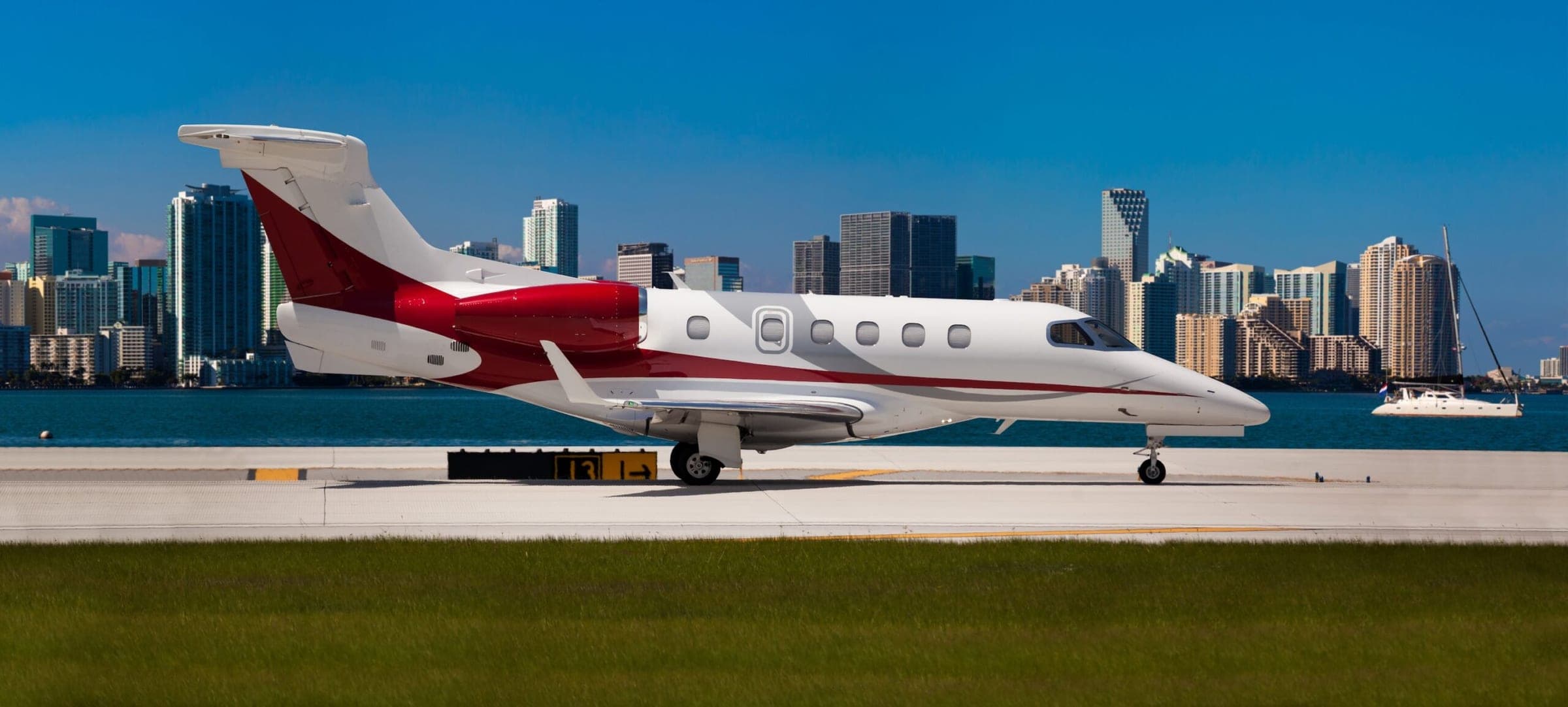
Light jets have changed the game in private aviation.
They offer a cost-effective and efficient way to travel for both business and pleasure.
They are a favorite among many travelers.
These small, agile planes can carry 4 to 7 people. They also have a range of about 1,000 nautical miles, perfect for short to medium trips.
The light jet market has a wide range of models.
From the fast Cessna CJ4 to the spacious Embraer Phenom 300, there’s something for everyone.
These planes offer a personalized travel experience. They let you skip commercial airports and land at smaller airfields.
Key Takeaways:
- Light jets offer a cost-effective and efficient solution for private air travel, with models ranging from $1.2 million to $13 million in acquisition costs.
- These aircraft can accommodate 4 to 7 passengers and have a range of approximately 1,750 nautical miles, making them suitable for short to medium-range flights.
- Light jets provide greater flexibility and access to smaller regional airports, allowing for a more personalized travel experience.
- The light jet market features a diverse array of models, each with its own unique performance characteristics, such as speed, passenger capacity, and range.
- Factors like aircraft type, distance traveled, and duration of stay influence the cost of private jet charters, with opportunities to secure discounted rates through advance booking and shared flights.
Understanding Light Jets: Definition and Classification
Light jets are a special type of private plane.
They offer a good mix of performance, space, and value. These planes weigh less than 12,500 pounds and can carry 4 to 7 people.
They’re great for trips that are short to medium in distance.
Compared to very light jets, light jets can carry more people and luggage.
They can typically travel up to 1,500 nautical miles. This makes them perfect for regional and cross-country flights. They can even be flown by one pilot, which is a big plus for those who own them.
| Aircraft Category | Range (miles) | Cruising Speed (mph) | Passenger Capacity | Baggage Capacity (cubic feet) | Round Trip Hourly Rates (FlyPrivate) | One Way Trip Hourly Rates (FlyPrivate) |
|---|---|---|---|---|---|---|
| Very Light Jets | 1,000-1,500 | 400 | 4-6 | 47 | $2,500-$3,500+ | Quoted per trip |
| Light Jets | 1,500 | 450-500 | 5-6 | 40 | $3,900+ | $5,900+ |
| Turboprops | 1,000 | 300 | 4-8 | 48 | $900-$2,500+ | Quoted per trip |
Light jets are versatile and efficient.
They’re perfect for many uses, like short trips, business travel, and personal journeys. They offer a great balance of features and cost, making them a favorite among many.
Evolution of Light Jet Technology and Design
The world of light jets has seen big changes in technology and design. These small but efficient planes have changed a lot. They now offer better performance, comfort, and are more eco-friendly.
Companies like Cessna, Embraer, and Pilatus lead in light jet innovation. They’ve made models that meet the growing need for business flying. These new jets have better avionics, use less fuel, and are safer, all while being small and quick.
One big change is the fast internet on these jets. LEO satellites offer speeds over 400 megabits per second.
This means passengers can stay connected easily. Also, new air systems kill germs like COVID-19, making flights healthier.
Sustainability is now a key focus in light jet design. Using Sustainable Aviation Fuel (SAF) could cut carbon emissions by up to 80%.
This matches the goal of being carbon neutral by 2050. New engines also help jets use less fuel, making flying greener.
Improving safety and awareness is also key. Technologies like ADS-B help avoid crashes and make flying safer. This gives pilots a clear view of the skies around them.
The light jet market is growing fast, with 200-300 new jets sold each year.
There are over 4,000 jets flying worldwide. The focus on innovation and being green will shape private flying’s future. Light jet makers keep working to meet the changing needs of business travelers.
Markus Eigenheer, CC BY-SA 2.0, via Wikimedia Commons
Popular Light Jet Manufacturers and Models
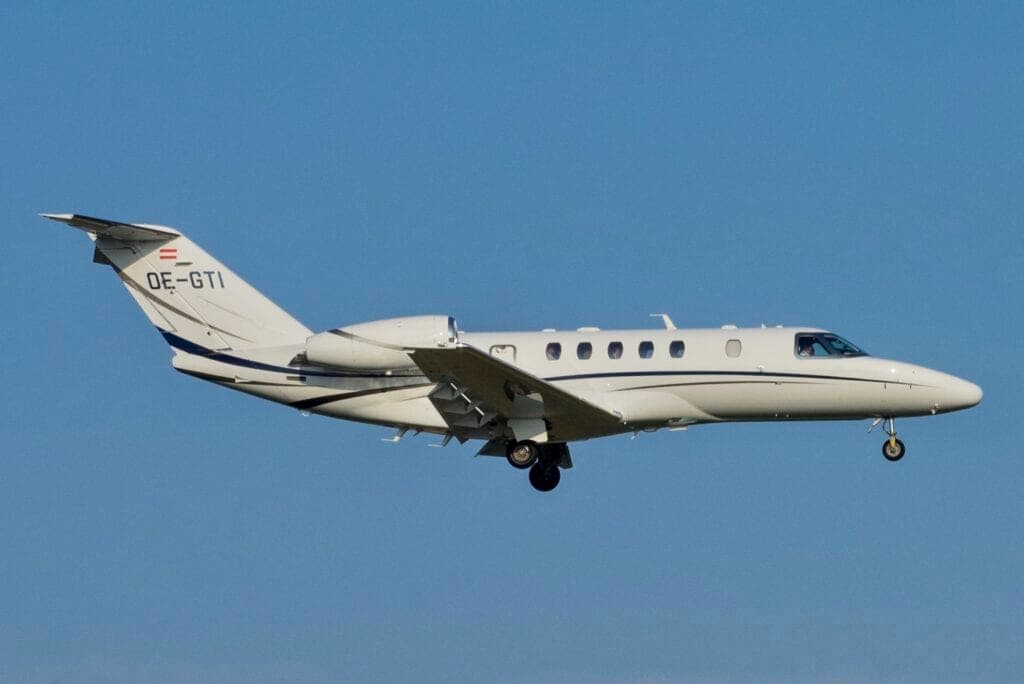
The Cessna Citation CJ4 can carry up to 10 people. It has a range of over 2,000 nautical miles and flies at 451 knots.
Embraer’s Phenom 300E is the most popular light jet in terms of annual deliveries. It can hold up to 9 passengers and travels 1,811 nautical miles. It’s the best-selling light jet since 2011, with over 730 delivered.
| Model | Manufacturer | Passenger Capacity | Range (nm) | Top Speed (kts) |
|---|---|---|---|---|
| Cessna Citation CJ4 | Cessna | 10 | 2,165 | 451 |
| Embraer Phenom 300E | Embraer | 9 | 1,811 | 464 |
| Pilatus PC-24 | Pilatus | 9 | 1,525 | 440 |
The Pilatus PC-24 is known for its short takeoff ability. It can take off from runways as short as 3,090 feet. It can carry up to 9 passengers and has a range of 1,525 nautical miles.
Performance Capabilities and Specifications
Private jet travel depends on performance and aircraft specs.
Light jets can fly up to around 2,000 nautical miles without stopping.
hey cruise at about 420 knots, getting you to your destination fast. This makes them great for covering long distances or connecting major cities.
These jets can carry 4 to 8 people, offering comfort and convenience.
Buying a new light jet costs between $6.5 million and $9.5 million. This is more affordable than bigger jets.
| Model | Typical Passenger Capacity | Max Range (nm) | Cruise Speed (knots) | Acquisition Cost (USD) |
|---|---|---|---|---|
| Citation CJ4 Gen 2 | 7 | 1,811 | 450 | $9.9M |
| Phenom 300E | 7 | 1,971 | 453 | $9.5M |
| PC-24 | 8 | 1,800 | 442 | $10.7M |
| Citation CJ3 Gen2 | 6 | 1,414 | 421 | $9.5M |
Light jets are a favorite for many private flying needs. They offer speed, range, and value. This makes them a smart choice in the private jet world.
Light Jet Guide: Essential Features and Benefits
Light jets are a top pick in private flying, known for their efficiency, flexibility, and comfort. They are small and use less fuel, making them a budget-friendly choice for short to medium flights.
They can land at smaller airports, opening up more travel options for business travelers.
Light jets cost less to run than bigger jets, which is great for businesses looking to save money. They also come with Wi-Fi, entertainment, and refreshments, ensuring a high-quality travel experience.
These jets are also efficient, making them popular in business flying. They can easily fly to different places in one day. This is super helpful for companies with offices far apart or those needing to visit remote spots.
| Aircraft Type | Typical Passenger Capacity | Approximate Range (Nautical Miles) |
|---|---|---|
| Very Light Jets (VLJs) | 4-6 | 1,000-1,500 |
| Light Jets | 6-7 | 1,500-2,500 |
| Midsize Jets | 7-9 | 2,500-3,500 |
| Super Midsize Jets | 8-10 | 3,500-4,500 |
Light jets are great for both regional business trips and personal travel. They offer many light jet benefits, private jet features, and business aviation advantages.
aeroprints.com, CC BY-SA 3.0, via Wikimedia Commons
Operating Costs and Economic Considerations
Light jets are a more affordable option compared to bigger planes.
They cost between $1,500 and $3,000 an hour to run. This includes fuel, upkeep, and crew costs.
They’re great for trips around 1,500 nautical miles because they’re cheaper per mile than other ways to travel.
New light jets cost between $3 million and $12 million.
Used ones can be 20% to 50% cheaper. Financing usually requires a 10% to 20% down payment. The rest is paid back over 20 years at 6% to 8% interest for good buyers.
There are ongoing costs like insurance, hangar fees, and management services. Insurance can be 1% to 3% of the plane’s value each year.
Hangar fees start at $30,000 and can go over $200,000 annually. Management services charge 10% to 15% of the yearly operating cost for upkeep and scheduling.
Crew salaries and maintenance are big parts of owning a light jet. Pilot and crew salaries range from $85,000 to $300,000 a year. Maintenance costs are 5% to 10% of the plane’s value each year.
Knowing about light jet costs helps people decide if owning one is right for them. It’s about understanding the economics and expenses of private jet ownership.
Range and Speed Comparison of Leading Light Jets
Private jet travel depends on the aircraft’s range and speed.
The Embraer Phenom 300E has a range of 1,811 nautical miles and a top speed of 464 knots. The Cessna Citation CJ4 Gen2 has a range of 1,667 nm and reaches 454 kts. The Pilatus PC-24 strikes a balance with 1,525 nm and 440 kts.
Smaller jets like the Cessna M2 Gen2 have shorter ranges under 1,000 nm but still fly fast at 404 kts. This variety lets travelers pick the right jet for their needs. Whether it’s long flights or short trips, there’s a jet for everyone.
| Aircraft Model | Range (nm) | Speed (kts) |
|---|---|---|
| Embraer Phenom 300E | 1,811 | 464 |
| Cessna Citation CJ4 Gen2 | 1,667 | 454 |
| Pilatus PC-24 | 1,525 | 440 |
| Cessna M2 Gen2 | 985 | 404 |
This comparison highlights the range and speed options available. It helps businesses and individuals choose the best jet for their travel needs. Whether it’s for work or leisure, there’s a light jet that fits.
Pilot Requirements and Certification
To fly a light jet, you need more than a basic pilot’s license. You must have a commercial pilot certificate with an instrument rating. You also need a type rating for the specific jet you’ll be flying.
Light jets often need only one pilot, but that pilot must be very skilled. They need to know how the plane works, how to handle emergencies, and how to manage the flight well.
The plane’s maker usually provides special training to help pilots learn about their aircraft.
Light jet pilots must keep their skills sharp through regular training. They practice flying, checklists, and stay current with new rules or changes to the plane. This training is key to flying safely and efficiently.
Light jet pilots might also need extra endorsements. These could be for flying high-performance or complex planes. These endorsements show pilots have the right skills for these advanced jets.
In summary, flying a light jet requires a lot of training and certifications. By meeting these high standards, pilots can fly these planes safely for work or personal use.
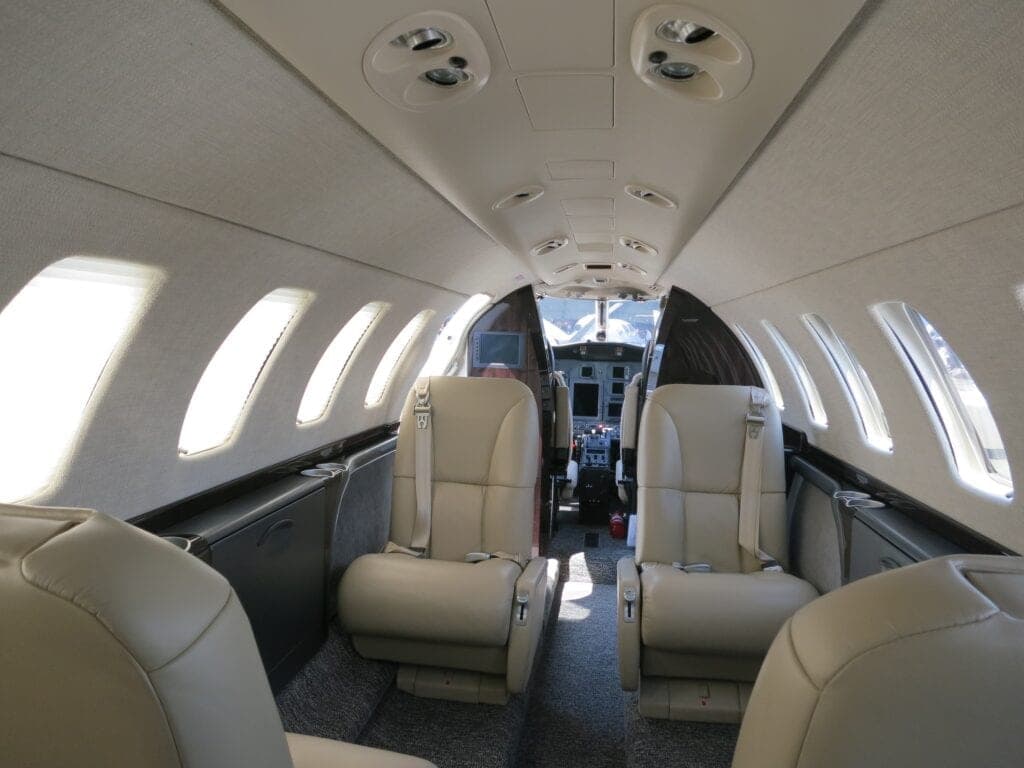
JetRequest.com, CC BY-SA 3.0, via Wikimedia Commons
Maintenance and Safety Standards
Light jets follow strict maintenance and safety rules set by aviation authorities. They have regular checks, part replacements, and software updates.
Modern light jets also have advanced systems to spot and fix problems early.
These jets come with safety features like terrain awareness systems and weather radar. Operators must follow rules for maintenance, crew training, and flying procedures. This ensures safe flights.
Experts say private jets need an A inspection every 120 to 150 flight hours. A B inspection is after 750 hours, and a C inspection every 3,000 hours.
After 20,000 hours, a D inspection is needed for structural and interior checks.
Important maintenance tasks include testing fire extinguishers every six years and oxygen systems every three to five years. Inflatable safety devices need checks every three years. Automated External Defibrillators (AEDs) on jets also need pad replacements every two years.
| Maintenance Task | Interval |
|---|---|
| A Inspection | Every 120-150 flight hours |
| B Inspection | Every 750 flight hours |
| C Inspection | Every 3,000 flight hours |
| D Inspection | Every 20,000 flight hours |
| Fire Extinguisher Maintenance | Every 6 years |
| Oxygen System Testing | Every 3-5 years |
| Inflatable Safety Device Maintenance | Every 3 years |
| AED Pad Replacement | Every 2 years |
Keeping light jets in top shape is key for safety and following aviation rules. Good maintenance not only makes the plane last longer but also improves the flying experience for everyone.
Charter Operations and Business Applications
Executives and teams often choose light jets for corporate travel. They are cost-effective and flexible, perfect for visiting multiple places in a day. This makes them valuable for businesses.
Light jets can carry 4 to 7 passengers and are great for trips up to 1,500 miles. They can land at smaller airports, which commercial planes can’t. This makes them ideal for reaching remote areas efficiently.
The cost of light jet charters is between $1,300 and $3,000 per hour. This is more affordable than midsize jets, which cost $4,000 to $8,000 per hour. Larger jets can cost $8,600 to $13,000 per hour. Light jets are a popular choice for their flexibility and cost.
Businesses can also look into jet card memberships, fractional ownership, and leasing. These options can fit different travel needs and budgets. Talking to industry experts can help find the best light jet charter or business aviation solution.
Airport Accessibility and Infrastructure Requirements
Private jet travel relies heavily on airport accessibility. Light jets can land on runways as short as 3,000-4,000 feet. This means they can use many smaller airports and private airfields.
This opens up a lot of destinations, making travel more convenient and flexible. It’s a big plus for passengers.
Light jets also need less infrastructure, fitting well in airports with limited services. Their small size and lower support needs make them ideal for smaller airports. This leads to faster travel and more efficiency.
Light jets are becoming more popular in private aviation and business travel. They offer a unique blend of convenience and flexibility. This makes them a top choice for those who value a personalized and efficient travel experience.
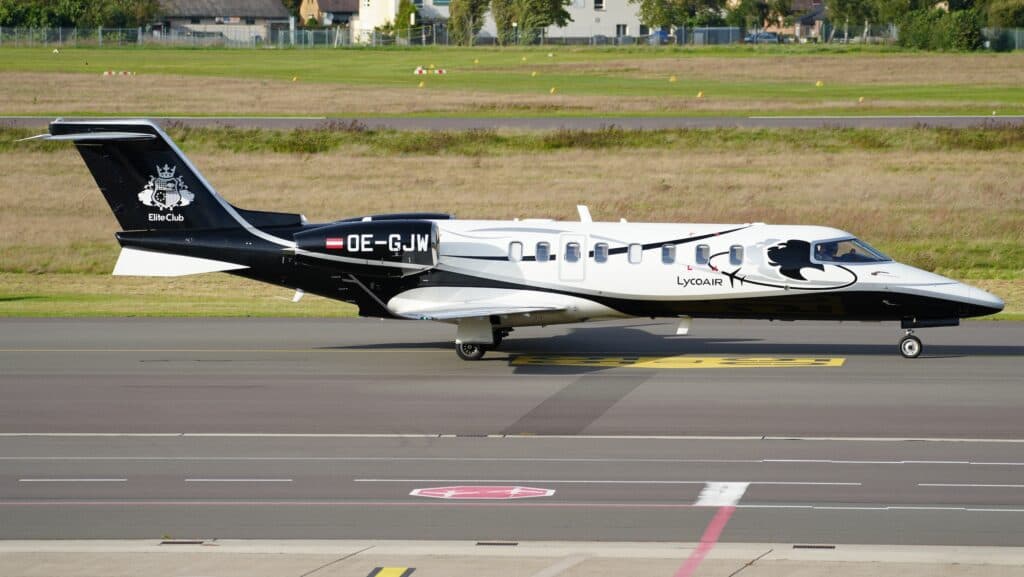
MarcelX42, CC BY-SA 4.0, via Wikimedia Commons
Comparing Light Jets to Other Aircraft Categories
Light jets are a special part of the private aviation world.
They mix efficiency, capability, and comfort well. Compared to very light jets, they have more range, can carry more people, and offer better amenities. This makes them great for many different trips.
Midsize jets, however, have more room and can go farther. But they cost more to run. Light jets are seen as the perfect middle ground.
They can hold 4-8 people in a cozy but comfy space. Midsize jets can fit 7-10 people with more room. Heavy jets can carry up to 18 people, offering lots of space and luxury.
Light jets are cheaper for short trips because they use less fuel and cost less to run. Midsize and heavy jets are pricier but worth it for longer trips. They can go across continents and carry more people.
Light jets have the latest in navigation and safety tech. Midsize jets have faster engines for longer trips. Heavy jets have advanced tech like Enhanced Vision Systems for safer long flights.
In short, light jets are perfect for many private flying needs. They’re cheaper than big jets for trips under 1,500 nautical miles but still offer comfort and range.
Midsize and heavy jets are best for long trips and luxury. But light jets are still a top pick for those wanting a flexible and affordable flying option.
Investment Considerations for Light Jet Ownership
Buying a light jet means looking at the cost to buy, running costs, and how often you’ll fly. New jets cost between $3 million and $12 million. Older jets are cheaper to start with.
Think about how many hours you’ll fly each year, the types of trips you’ll take, and other options like sharing a jet or renting one. These choices affect your decision to own a jet.
Don’t forget about the jet’s value over time, upkeep costs, and making money by renting it out. The jet market is growing, with about 22,000 corporate jets in 2023. This shows there’s a strong need for private flying.
| Consideration | Details |
|---|---|
| Acquisition Costs | New light jets: $3 million to $12 million Pre-owned light jets: Offer lower entry prices |
| Operating Expenses | Depreciation, fuel, maintenance, crew salaries, insurance, hangar rental Typical annual cost for a Phenom 300: Around $1.5 million |
| Utilization Factors | Annual flight hours: Minimum 200-300 hours for ownership justification Mission profiles: Influence aircraft selection and operating costs Alternatives: Fractional ownership, jet cards, and charter services |
Latest Technological Advancements in Light Jets
The world of aviation technology is changing fast. Modern light jets show how the industry is making flying better. They have better avionics and synthetic vision systems. Also, they use more efficient engines.
Designers of light jets are working hard to make them quieter and use less fuel. They’ve made the jets fly better and made the inside more comfortable. Now, pilots and passengers can easily use the aircraft’s systems thanks to advanced flight management systems and improved connectivity options.
The use of lighter, stronger airframes has changed the game. It lets jets fly farther and carry more. With Automatic Dependent Surveillance Broadcast (ADS-B) and Autoland technology, flying is safer and more efficient.
| Technology | Benefit |
|---|---|
| Glass Cockpits | Reduced pilot workload and stress |
| Electronic Flight Bags (EFBs) | Improved safety and efficiency |
| Vision Systems | Enabling operations in adverse weather |
| Fly-by-Wire Flight Controls | Smoother control inputs and enhanced safety |
| Winglets and Active Winglets | Improved fuel efficiency and increased range |
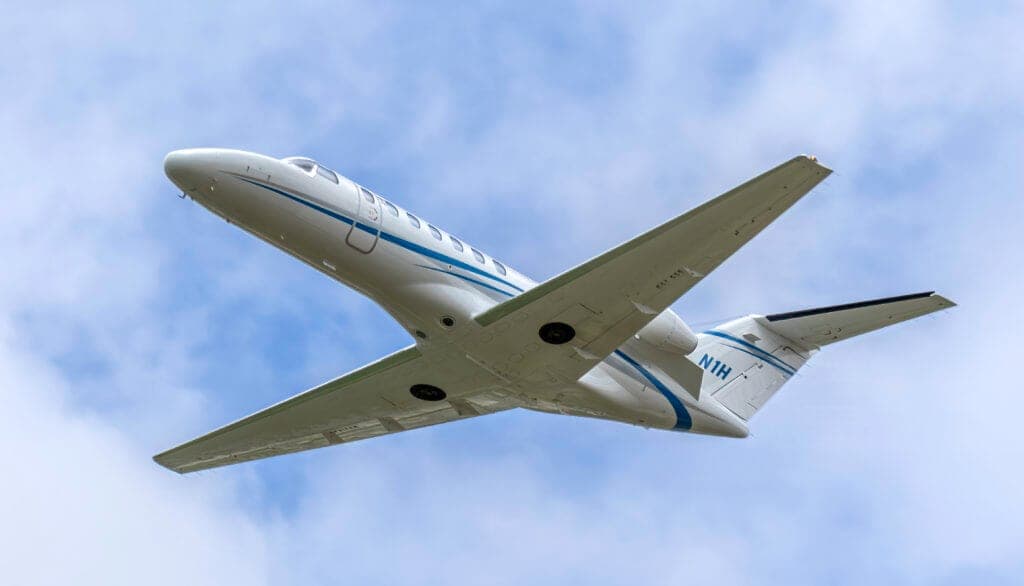
Acroterion, CC BY-SA 4.0, via Wikimedia Commons
Conclusion
The private aviation world is always changing, and light jets are key. They offer a flexible and affordable way to travel short to medium distances.
Companies making light jets are always improving. They focus on the latest in technology, efficiency, and comfort for passengers.
More people want light jets for both work and fun. They perform well, are easy to buy, and don’t cost too much to run.
This makes light jets a great choice for those who want a personal and efficient flying experience.
The future looks bright for the business jet industry, with light jets leading the way. They meet the needs of both private and corporate flyers.
As technology gets better, light jets will keep being a great choice in private flying.
Frequently asked questions
What are light jets and how are they defined?
Light jets are small private planes. They have a weight limit of less than 12,500 pounds. They can carry 4-7 people and travel about 1,000 nautical miles.
What are the key features and benefits of light jets?
Light jets are efficient and cost-effective. They are great for short trips. They also allow access to smaller airports.
What are the performance capabilities of light jets?
Light jets can travel 1,000-1,800 nautical miles. They fly at speeds of 400-460 knots. They can land on runways as short as 3,000 feet.
What are the typical operating costs for light jets?
Operating a light jet costs between $1,500 to $3,000 per hour. Buying a new one costs between $3 million to $12 million.
What are the pilot requirements for operating light jets?
Pilots need a commercial license and an instrument rating. They also need a type rating for the specific jet. Some jets can be flown by one pilot after extra training.
What are the maintenance and safety standards for light jets?
Light jets follow strict safety and maintenance rules. They have regular checks and updates. They also have advanced safety features like terrain awareness systems.
How do light jets compare to other private jet categories?
Light jets are between very light jets and midsize jets. They offer more range and space than very light jets. They are more economical than larger jets for shorter trips.
What are the key considerations for investing in a light jet?
Buying a light jet involves looking at costs and how often it will be used. You should also think about maintenance and charter income. These factors affect the jet’s value over time.
Featured Image: Carlos Yudica / Shutterstock.com
Related
Related guides
Aircraft in this guide
Read next
Very Light Jets: Ultimate Guide to Small Private Aircraft
Discover everything about very light jet aircraft, from costs and performance to top models.
November 18, 2024 · 11 min read
The 10 Most Expensive New Private Jets
Everything you need to know about the most expensive private jets. From Gulfstream to Bombardier, here are the most expensive ways to fly.
October 5, 2026 · 8 min read
Here’s How Much it Costs to Fuel a Private Jet
Fuel is a necessary part of flying. It is also one of the largest variable costs. So, how much does it really cost to fuel a private jet?
October 5, 2026 · 7 min read


Charter Sales
Tell us the trip. We'll tell you the number.
Route, dates, rough timing, how many people. That is enough to start, and you get a firm price for that specific trip rather than a range.
Text us and you'll get a reply within 60 seconds, any hour.