
Engines
Williams International Private Jet Engines
Williams International is the world leader in the manufacture and support of small gas turbine engines, known for their high performance.
 BenedictPrivate Aviation ConsultantUpdated July 23, 2025 · Published March 31, 2021 · 2 min read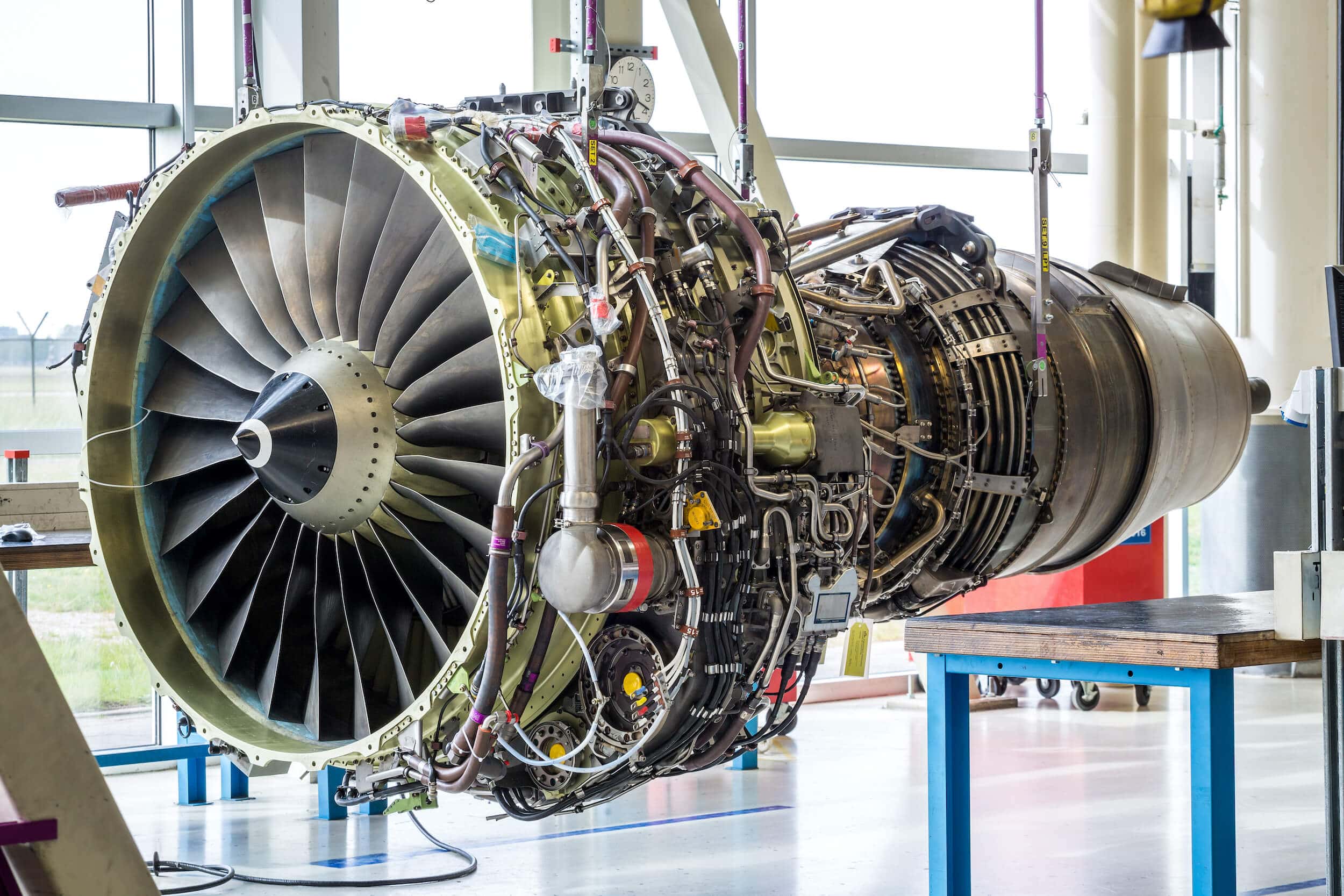
The privately owned company operates R&D (research and development ) and R&O (repair and overhaul) out of their headquarters in Pontiac, Michigan.
As can be seen from the table below, Williams International engines are a popular option among smaller jet aircraft.
Founded in 1955, Williams has expanded its development, test, production, and product support capabilities to create a large, versatile organization with the capacity to meet growth objectives in aviation, industrial and military markets.
As a privately owned endeavor, the vision stays focused, communication is straightforward, decisions are made quickly, and efforts are concentrated efficiently.
The following Williams International engines are those that power private jets – both past and present.
| Engine Model | Aircraft |
|---|---|
| FJ33-4A-19 | Cirrus Vision Jet SF50 |
| FJ44-1AP | Cessna Citation CJ1 |
| FJ44-1AP | Cessna Citation CJ1+ |
| FJ44-1AP-21 | Cessna Citation M2 |
| FJ44-2A | Beechcraft Premier I |
| FJ44-2A | Beechcraft Premier IA |
| FJ44-2C | Cessna Citation CJ2 |
| FJ44-3A | Cessna Citation CJ3 |
| FJ44-3A | Cessna Citation CJ3+ |
| FJ44-3A-24 | Cessna Citation CJ2+ |
| FJ44-3AP | Nextant 400XT |
| FJ44-3AP | Nextant 400XTi |
| FJ44-4A | Cessna Citation CJ4 |
| FJ44-4A | Pilatus PC-24 |
Williams International Engines that Power Private Jets
Williams International’s high-performance, high-power engines are reliable, time-tested, require less maintenance due to a simple, rugged design, operate in the harshest environments, and are fuel-efficient.
The engines that are currently bolted to these private jets date as far back as the year 2000 with the FJ44-1AP engines powering the Cessna Citation CJ1.
Since then, Williams International have been continuously developing their engines, making them lighter and more fuel-efficient.
Williams International primarily focuses on smaller engine applications. For example, VLJs such as the Cirrus Vision Jet and Cessna Citation M2. However, aircraft as large as the medium-sized Pilatus PC-24 is powered by Williams International engines.
According to Williams, “FJ33/FJ44 engines are backed by the best customer service in the industry – over the past 21 years Williams customer service has outscored all competitors in surveys of owner-operators, scoring 5% higher than the closest competitor. Williams’ engine maintenance plan – called Total Assurance Program (TAP Blue) – offers coverage no competitors can match – even including repair of foreign object damage (FOD) and incorporation of all service bulletins.”
[/vc_column_text][/vc_column][/vc_row]
Read next
Rolls-Royce Private Jet Engines
Rolls-Royce engines enable aircraft to offer the best speed, range, size, efficiency, and reliability. It produces a variety of engines for businessaircraft.
July 23, 2025 · 2 min read
Pratt & Whitney Canada Private Jet Engines
Pratt & Whitney Canada is a global aerospace leader offering jet engines for business aircraft, along with supplying engines for business aircraft.
July 23, 2025 · 3 min read
Honeywell Private Jet Engines
Honeywell's high-performance, high-power engines are reliable, time-tested, and require less maintenance due to a simple, rugged design.
July 23, 2025 · 2 min read


Charter Sales
Tell us the trip. We'll tell you the number.
Route, dates, rough timing, how many people. That is enough to start, and you get a firm price for that specific trip rather than a range.
Text us and you'll get a reply within 60 seconds, any hour.