Basics
Do Private Jets Fly Faster Than Commercial Airlines?
Do private jets fly faster than commercial aircraft? Find out about the fastest aircraft and how much time you save by flying private.
 BenedictPrivate Aviation ConsultantUpdated April 14, 2025 · Published November 12, 2024 · 5 min read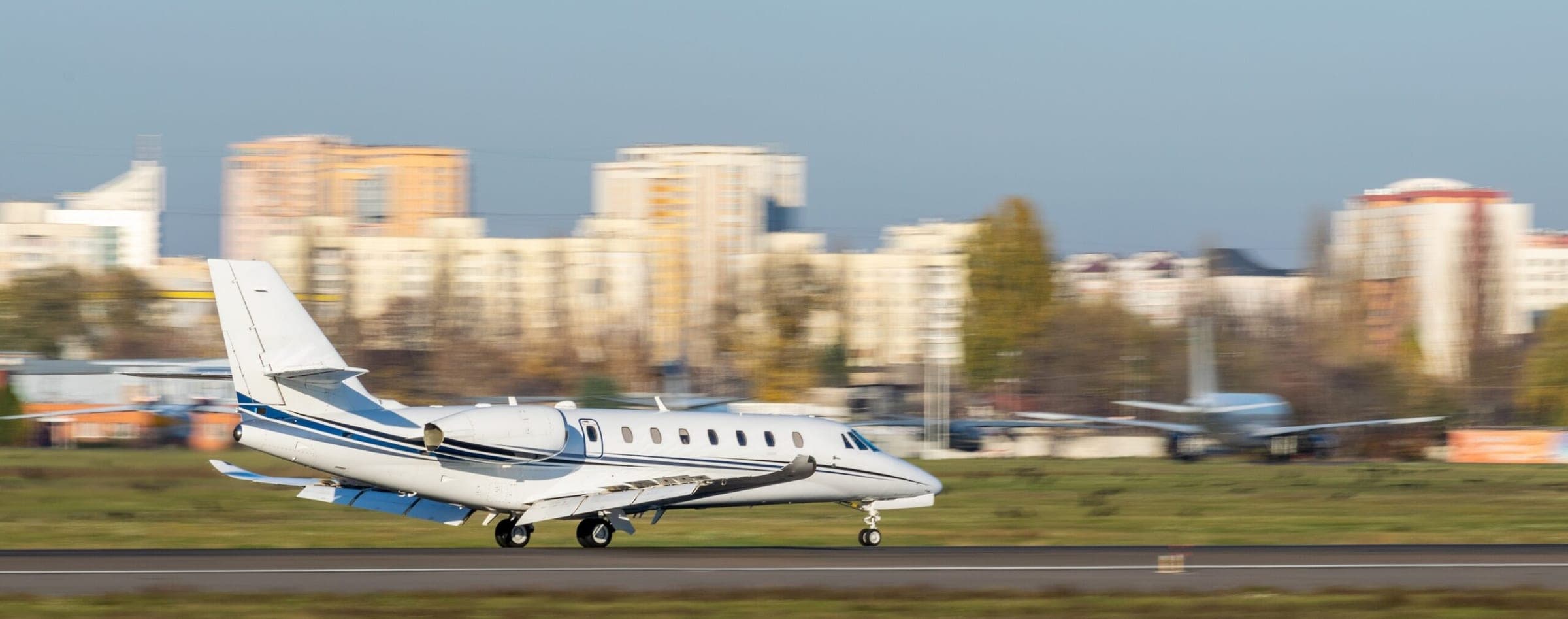
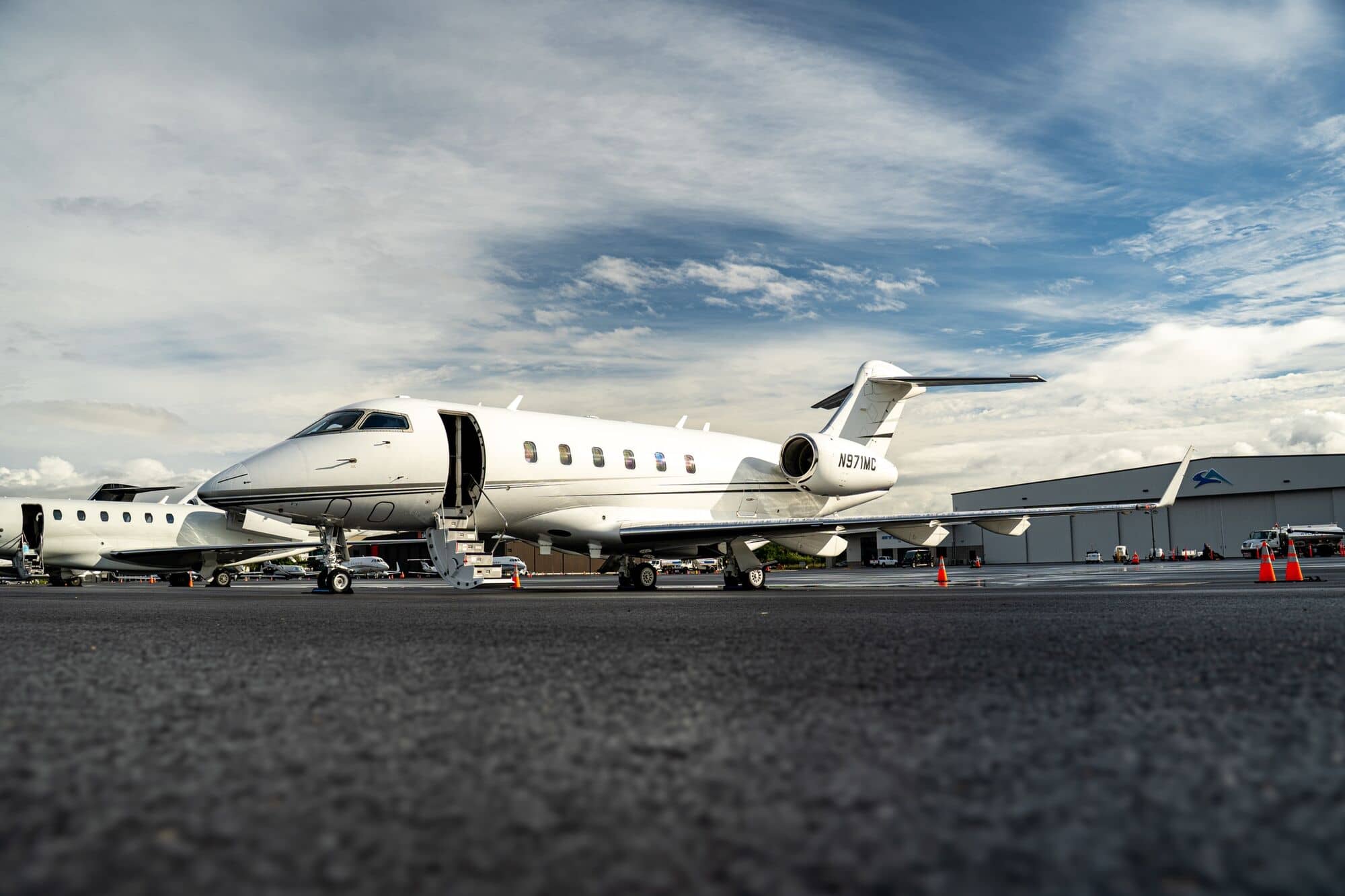
Private jet travel is often seen as the ultimate in speed, convenience, and luxury, especially compared to the experience of flying with commercial airlines.
But how much faster are private jets, and what key differences make this possible?
Let’s take a closer look at the various factors that influence the speed and efficiency of private jets versus commercial airliners, and why a private jet might be the better choice for business or personal travel.
Speed Differences: Private Jets vs. Commercial Airliners
When comparing the maximum speed of private jets with that of commercial jets, private jets generally fly faster.
Many private jets, like the Gulfstream G650, are capable of reaching a high-speed cruise of Mach 0.925, which translates to 528 knots or around 606 miles per hour.
In contrast, most commercial planes, including the Boeing 787 Dreamliner and the Airbus A350, have a maximum cruising speed of around Mach 0.85.
The speed of a private jet can often save significant time over long distances, especially when flying direct routes, bypassing delays, and avoiding the congestion common in commercial air travel.
Flight Time Efficiency and Altitude Advantages
One of the main factors that gives private jets their faster flight speed is their ability to cruise at higher altitudes, typically between 41,000 and 51,000 feet.
At these heights, private planes encounter less air traffic and lower air density, which results in less drag and greater fuel efficiency.
Commercial airplanes, on the other hand, usually fly between 30,000 and 40,000 feet.
These lower altitudes mean commercial jets are more affected by congestion, adding time to both departure and arrival sequences due to air traffic control constraints.
You can discover your overall flight time by logging your flight history.
Furthermore, private jets operate with much more flexible schedules than commercial counterparts, which are bound to fixed timetables and airport slots.
Private jet travelers can choose their departure time, which minimizes time spent waiting and allows them to depart closer to their ultimate destination by utilizing smaller airports.
This flexibility makes private jet charter a more viable option for those with tight schedules or the need for rapid response, as well as for team members on business trips requiring privacy and adaptability.
Joseph Creamer / Shutterstock.com
How Private Jet Design Impacts Speed and Comfort
The design of private jets prioritizes both speed and passenger comfort, which is evident in the average cruising speed and cruising altitude of these aircraft.
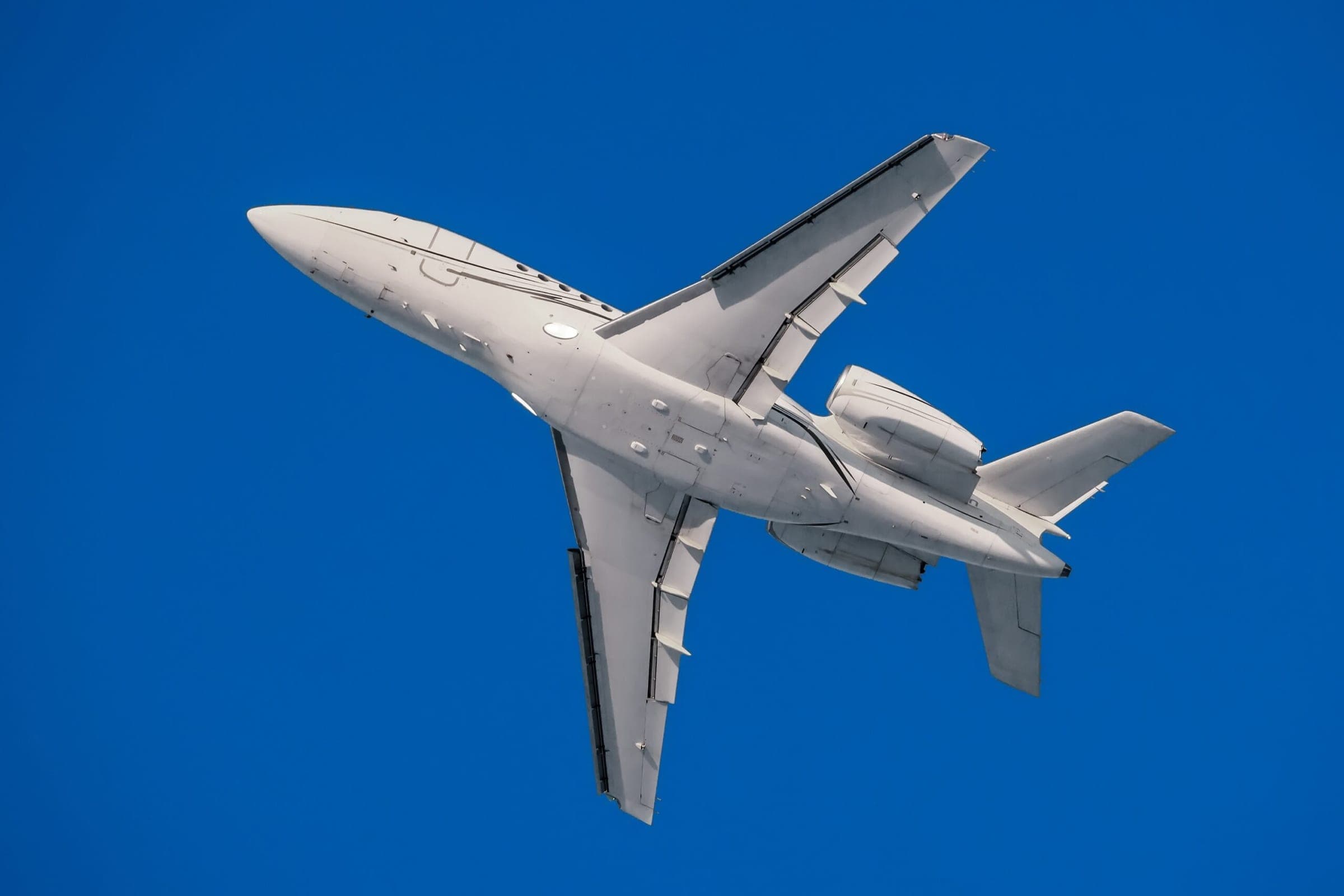
Many business jets, like the longest-range business jet Gulfstream G700, incorporate design features such as high-thrust engines with lower bypass ratios, enabling faster speeds without sacrificing efficiency.
In contrast, commercial airliners are typically designed to maximize fuel efficiency while carrying large numbers of passengers, leading to larger, heavier designs that may impact maximum speed and agility.
Private aircraft also have a streamlined approach to weather conditions, often being able to bypass minor weather disruptions by adjusting cruising altitude or route, further reducing flight time delays.
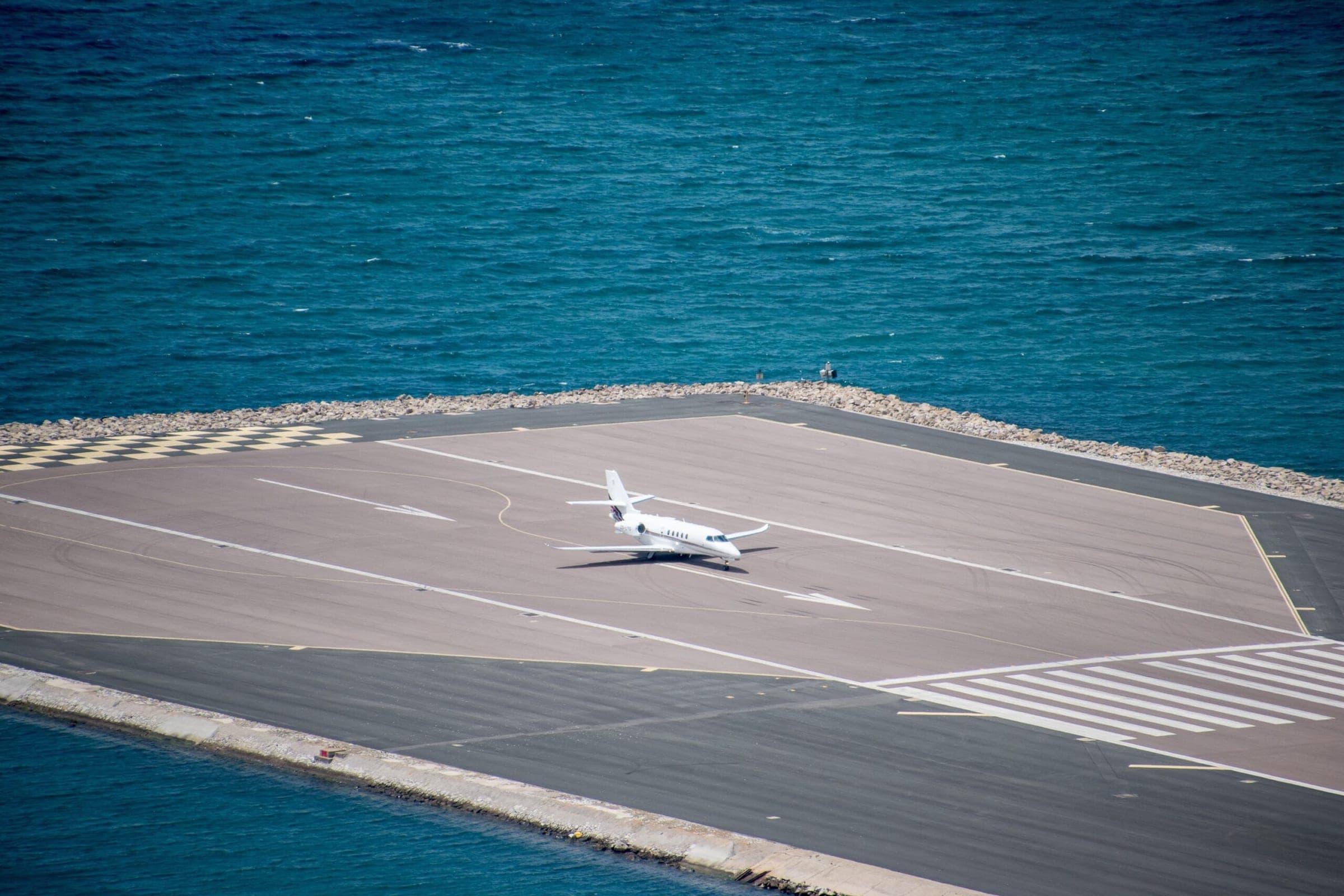
Additionally, the smaller size of many private jets allows for direct routes to less trafficked airports, reducing both ground transportation time and the need to wait in line for security checks, common in large commercial aviation hubs.
Key Differences in Ground and Airport Processes
Private jet travelers benefit from reduced time on the ground, as private planes typically avoid the long lines, extensive security checks, and baggage processing found in commercial airports.
These factors are major time-savers, especially for frequent travelers or business executives who need to maximize productivity.
Furthermore, while commercial flights are subject to delays caused by large passenger boarding processes and air traffic control delays, private flights board quickly and have priority takeoff clearance at most smaller airports.
This ease of ground handling is a major advantage for those on tight schedules, as they avoid crowded terminals and can often park their car directly beside the aircraft, further streamlining travel.
Media_works / Shutterstock.com
Maximum Range and Flexibility of Private Jets
Another advantage of private jet travel is the ability to fly direct on routes that might not be feasible for commercial planes due to range limitations or passenger demand.
For instance, the longest-range private jets can reach destinations across continents without the need to stop for refueling.
This is especially valuable on international flights where time savings are critical.
The Gulfstream G650ER, with its maximum range of around 7,500 nautical miles, allows for non-stop flights between major cities such as New York and Tokyo, a range unmatched by many commercial counterparts.
Moreover, private jet charter companies cater to a wide variety of needs, from small jets for regional flights to large private jets for intercontinental travel.
This flexibility enables travelers to choose a jet model that best meets their needs, whether it’s for a small group on a short flight or a large group requiring greater space for an international flight.
Fuel Efficiency and Costs: Private Jets vs. Commercial Airliners
While private jets are often faster, commercial jets are generally more fuel-efficient on a per-passenger basis due to their larger size and optimized design for carrying large numbers of passengers.
Private jet flights are less fuel-efficient because they often carry fewer passengers, resulting in a higher cost per passenger mile.
However, for many private jet travelers, the speed and convenience often outweigh the higher cost of private jet charter services.
In terms of fuel technology, commercial airlines prioritize fuel efficiency, which is a key factor in reducing costs and environmental impact.
Private aircraft, while less fuel-efficient on average, make up for it in time savings and flexibility, which is invaluable to many business travelers.
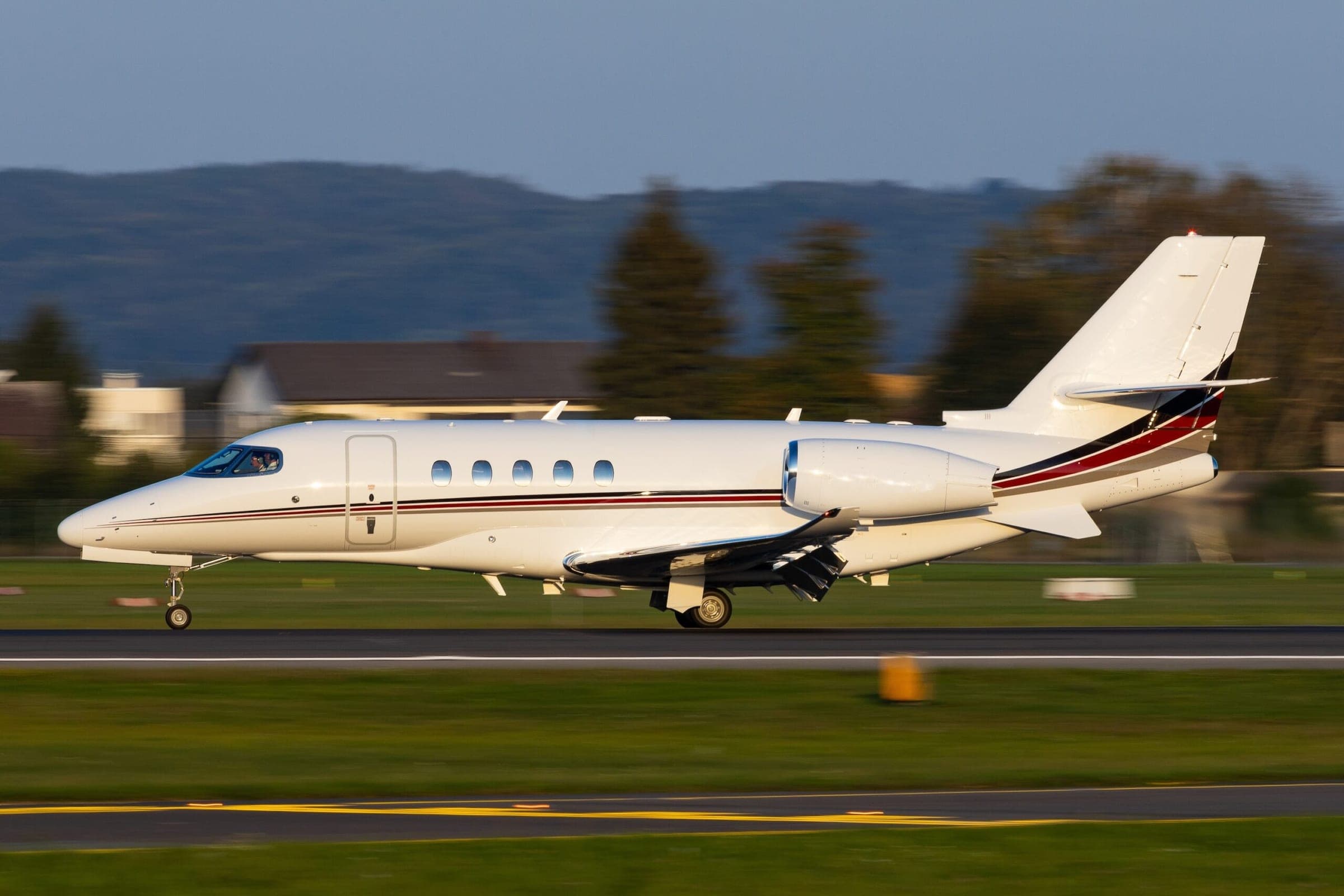
Photofex_AUT / Shutterstock.com
Weather Conditions and Speed Adjustments
The speed of private jets can vary depending on weather conditions. In general, private jets can maintain faster speed in favorable conditions by cruising above or below weather systems that could affect commercial jets at their typical cruising speed.
In cases of bad weather, private jets can often take advantage of alternate routing options that may be closed to commercial flights due to air traffic constraints.
This ability to adjust routes to avoid delays is one reason why private jet travel remains a top choice for travelers prioritizing both time savings and comfort.
Conclusion: When Is Private Jet Travel the Best Option?
For those who value time and convenience, private jets offer numerous benefits over commercial flying.
With the ability to avoid the delays of major airports, achieve higher speeds at greater altitudes, and customize departure and arrival locations, private jet travel is often the most efficient option for business professionals and travelers needing a flexible and personalized experience.
The fastest private jets are not only capable of achieving mach speeds that rival and often exceed those of commercial jets, but they also offer unparalleled privacy, comfort, and control over travel schedules, making them a viable option for anyone needing swift, direct travel.
Featured Image: dragunov / Shutterstock.com
Related
Related guides
Routes and cities
Read next
How Safe Are Private Jets? Are Private Jets Safer than Commercial Airlines?
Are private jets considered safer than flying with commercial airlines? And what do private jets offer in terms of safety?
May 30, 2025 · 9 min read
Turbulence on a Private Jet – Is It Worse than Commercial?
Experience private jet turbulence differently from commercial flights. Learn why private jets handle rough air better and how pilots ensure smoother journeys…
December 17, 2024 · 4 min read
How High Do Planes Fly? Airliners vs Private Jets
Airliners cruise at about 31,000 to 42,000 feet; many private jets are certified to 45,000 or 51,000. How high every type of plane flies, and why.
October 5, 2026 · 4 min read


Charter Sales
Tell us the trip. We'll tell you the number.
Route, dates, rough timing, how many people. That is enough to start, and you get a firm price for that specific trip rather than a range.
Text us and you'll get a reply within 60 seconds, any hour.