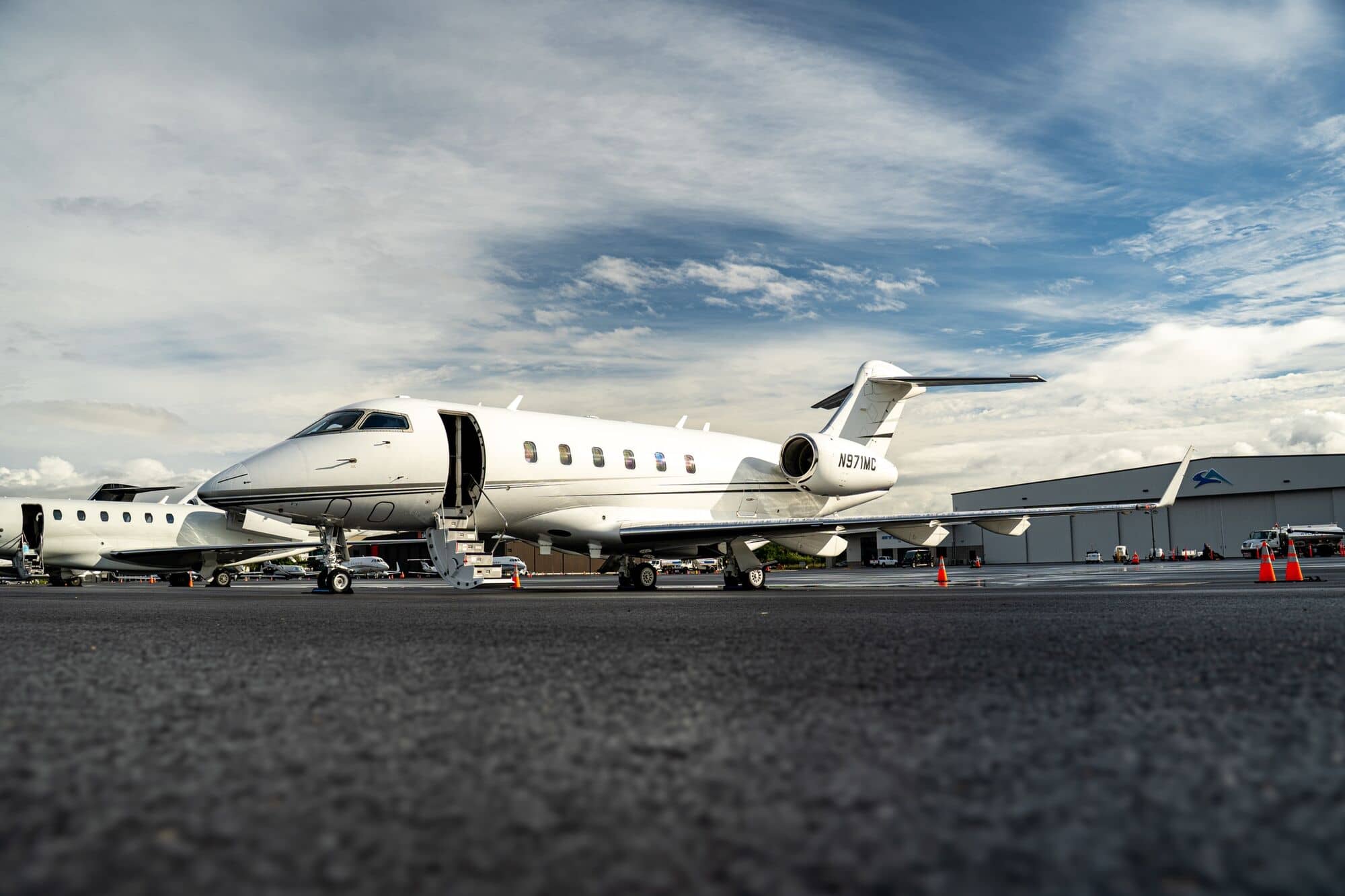
Ownership Cost
Understanding the Costs of Fractional Jet Ownership
Discover the true fractional ownership cost in 2024, including maintenance fees, management expenses, and annual charges.
 BenedictPrivate Aviation ConsultantUpdated February 1, 2026 · Published December 5, 2024 · 4 min read
Fractional ownership is a middle ground between private charter flights and owning a whole plane.
It’s perfect for business leaders and luxury travelers who want flexibility and privacy without the full cost of owning a plane.
Fractional ownership lets you use a fleet of planes managed by the provider.
This means you always have access and don’t have to worry about maintenance.
You’ll pay for the initial cost, monthly fees, hourly use, and extra charges. But, you also get tax benefits and can share in the profits.
Key Takeaways
- Fractional ownership costs sit between private charter flights and full aircraft ownership, providing flexibility and exclusivity.
- Costs include one-time acquisition, monthly management fees, occupied hourly fees, and additional expenses, but also offer tax benefits and revenue sharing.
- Fractional ownership models have expanded beyond aviation to luxury real estate and yachts, offering cost-efficient access to exclusive experiences.
- Financing options for fractional ownership include traditional loans, personal loans, and specialized financing plans.
What is Private Jet Fractional Ownership
Fractional ownership lets many people share in the cost of expensive things like real estate, yachts, or private jets.
It started in aviation and now includes luxury assets. This way, people can enjoy the benefits of owning something without the huge costs.
This idea is different from timeshares because it gives a real share of ownership, not just the right to use it.
Breaking Down Fractional Ownership Cost
Fractional equity stake analysis shows a complex cost structure.
The initial cost depends on the share size and the type of aircraft. Monthly fees cover things like crew training, insurance, and maintenance.
There are also hourly fees for when the plane is in use. These include costs for the crew, fuel, and services on the plane. Extra costs might come up, like fees for local airports or deicing.
Things like how big the share is, the size of the jet, how often it’s flown, and the management company all play a part.
The costs are usually spread out through a few agreements: a purchase agreement, a management agreement, and a master dry lease agreement.
| Cost Component | Description | Factors Affecting Pricing |
|---|---|---|
| Initial Purchase Price | Varies based on share size and aircraft model | Share size, aircraft type |
| Monthly Management Fees | Covers operational expenses like crew training, insurance, maintenance | Share size, management company |
| Occupied Hourly Fees | Includes crew, fuel, and in-flight services | Aircraft size, annual flight time |
| Additional Fees | May include airport surcharges, deicing costs | Geographic location |
Understanding the costs of fractional ownership helps investors make better choices. It’s about knowing the financial side of owning a piece of a plane.
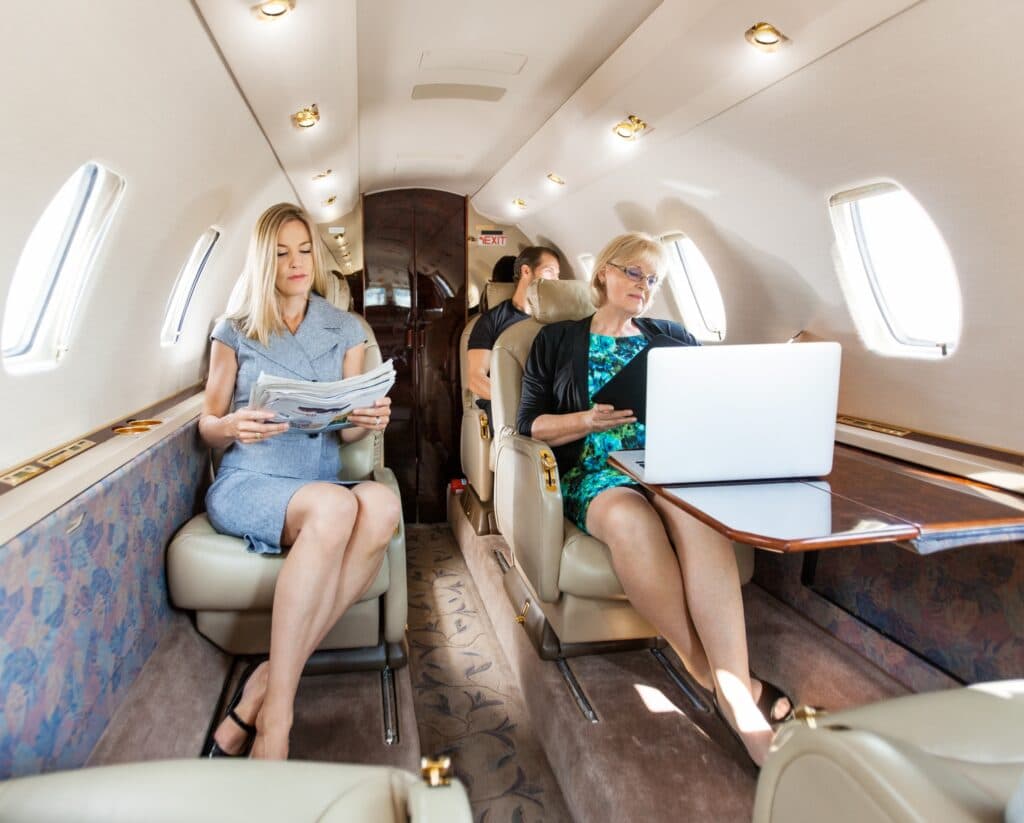
Tyler Olson / Shutterstock.com
Initial Purchase and Acquisition Expenses
Buying into fractional ownership is more than just the asset’s price.
The upfront costs can greatly affect the total ownership cost. These costs include the asset’s value, the price of each share, legal fees, and administrative expenses.
Experts appraise the asset’s value, looking at its condition, location, and market trends. The share prices are set based on the asset’s total value.
Legal fees cover the paperwork and transferring ownership. Administrative fees might include property upkeep and management.
The asset type, market conditions, location, and share size affect the initial cost.
For instance, a 1/16th share in a midsize jet costs about $350,000. But, a larger share, up to 800 hours of flight time, can cost over $1 million.
| Fractional Ownership Cost Breakdown | Typical Range |
|---|---|
| Initial Acquisition Cost | $100,000 to $1+ million |
| Monthly Management Fees | Around $10,000 per year |
| Hourly Operating Fees | Around $2,000 per hour |
Ongoing Management and Operational Fees
Fractional jet ownership has ongoing costs beyond the initial buy.
These fees help keep the aircraft in top shape and ready for your trips. Fractional ownership programs have two main fees: monthly management and occupied hourly fees.
The monthly management fee pays for support, storage, insurance, and upkeep. This fee changes based on your share size and jet type.
It makes sure the plane is always ready for you, even if you’re not flying.
The occupied hourly fees depend on how much you fly. They cover costs like in-flight services, crew, and fuel.
Some programs, like Volato, let you fly as much as you want without limits, no matter your share size.
Knowing about these timeshare fees helps you choose the right fractional ownership. It ensures you get the best fit for your flying needs and budget.
Comparing Fractional Ownership vs Traditional Ownership Expenses
One of the key advantages of fractional jet ownership over traditional, full ownership, is that initial cost is significantly lower thanks to only purchasing a share of the aircraft.
Additionally, given you have access to an entire fleet of aircraft, you aren’t dependent on the reliability and crew of just one aircraft.
However, fractional ownership limits your choice of days and usage hours.
Full ownership gives you total control but costs more and requires more work.
Ultimately, it will come down to the amount of usage required, notice period, and customization options.
Conclusion
Fractional ownership is a smart way to enjoy private jet ownership without tying up as much money as full ownership would require.
It offers cost efficiency and allows you to share the costs with others.
It’s important to know the upfront costs, ongoing fees, and how the value might change.
The fractional ownership advantages has been slightly diluted due to the rise in popularity of jet cards. Ultimately, jet cards and fractional ownership offer a similar premise.
The key difference of fractional ownership versus jet cards is that you don’t own part of an asset, therefore, you can’t claim depreciation tax benefits.
Additionally, there are more things to think about versus jet cards, like scheduling and management fees.
You also need to consider how easy it is to sell your share.
Frequently asked questions
What is fractional ownership and how does it differ from jet cards?
Fractional ownership lets many people share in the value of a private jet. It’s different from jet cards because you actually own a part of it, not just get to use it.
What are the typical costs involved in fractional ownership?
Costs include the initial buy price, monthly fees for upkeep, and fees for when you use it. You might also pay extra for things like airport fees or deicing.
How is the purchase price of a fractional share determined?
The price of a share is based on the asset’s value, set by experts. It’s split based on the asset’s total value. You also pay for legal and admin costs.
What are the ongoing costs in fractional ownership?
Ongoing costs are monthly fees for upkeep and hourly fees when you use it. These cover things like insurance, maintenance, and crew costs.
How does fractional ownership compare to full ownership or chartering?
Fractional ownership is cheaper than owning the whole thing but might limit your choices. Chartering is the cheapest for those who fly less often.
Featured Image: Juice Flair / Shutterstock.com
Related
Related guides
Read next
NetJets Fractional Ownership: Costs, Fleet, Pros & Cons (2026 Guide)
Complete guide to NetJets fractional ownership — pricing from 1/16 shares to jet cards, fleet details, management fees, hourly rates, and how it compares to…
April 10, 2026 · 5 min read
Fractional Jet Ownership Costs
Private jet ownership comes with an eight-figure price tag, but for the comparatively low cost of approximately $400,000 a year (plus buy-in costs), you can…
February 1, 2026 · 7 min read
A Guide to Private Jet Fractional Ownership Costs
Discover the true private jet fractional ownership costs. Our guide breaks down fees and compares ownership, charter, and modern investment-based models.
February 1, 2026 · 16 min read


Charter Sales
Tell us the trip. We'll tell you the number.
Route, dates, rough timing, how many people. That is enough to start, and you get a firm price for that specific trip rather than a range.
Text us and you'll get a reply within 60 seconds, any hour.