Ownership Cost
NetJets vs VistaJet: Pricing, Fleet and Service Compared (2026)
NetJets vs VistaJet: fractional ownership against a global membership. How each is priced, what each publishes about its programs, the fleets, and who each one fits.
 Israel SlodowitzFounder & CEOUpdated October 4, 2026 · Published November 21, 2025 · 4 min read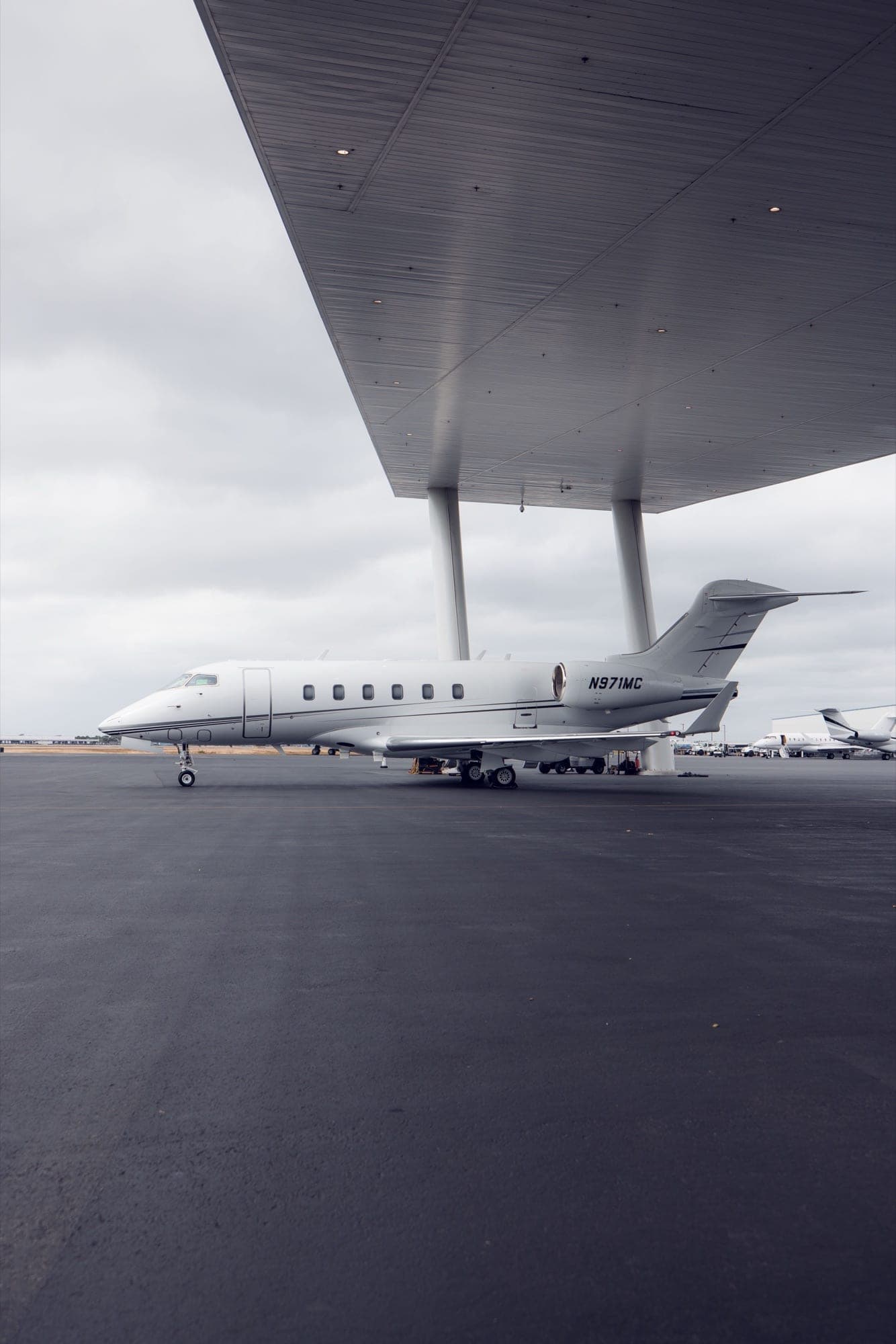
NetJets and VistaJet are two of the best-known names in private aviation, and they are built very differently. NetJets sells shares in aircraft; VistaJet sells memberships on a fleet it owns. This guide compares how each is priced, what each publishes about its programs, the fleets, and who each one fits.
Some figures below are what each company publishes on its own website, with the date we checked. Others are approximate, as publicly reported in early 2026; they are labelled, and you should confirm current terms with the provider.
What's the difference between NetJets and VistaJet?
The core difference is ownership versus access.
NetJets is a fractional ownership program. You buy a share of a specific aircraft type, pay a monthly fee to have it managed, and pay an hourly rate when you fly. At the end of the term the share is sold back. NetJets has been owned by Berkshire Hathaway since 1998 and describes itself as the world's largest private jet company. It also sells a jet card.
VistaJet is a membership. You don't buy a piece of anything: you commit to a number of hours a year on VistaJet's fleet, at a fixed hourly rate. There is no asset on your balance sheet, no depreciation and nothing to sell at the end.
Bottom line: both promise guaranteed access. The financial structure, the commitment and the fleets are very different, and neither is the right fit for everyone.
Fleet comparison
Fleet size: NetJets operates roughly 800 aircraft and VistaJet several hundred, as publicly reported in early 2026.
Aircraft types: NetJets flies light, midsize, super-midsize and large-cabin jets from several manufacturers. VistaJet's fleet is built around Bombardier Challenger and Global aircraft, such as the Challenger 350, Global 5000 and Global 7500; its VJ25 page also lists the Citation XLS.
Where each is strongest: NetJets has deep coverage in the U.S. and Europe. VistaJet is built for global flying and intercontinental routes.
Booking notice: NetJets says its card guarantees an aircraft with as little as 48 hours' notice; fractional contracts set their own notice. VistaJet says it guarantees availability with as little as 24 hours' notice, globally.
Cabin consistency: NetJets' fleet spans many models. VistaJet's is more uniform, with a consistent cabin standard and service across the fleet.
NetJets pricing
NetJets pricing has three layers, plus taxes and fees that vary by trip.
| Cost | Approximate figure |
|---|---|
| 1/16 share | About $0.5M to $0.9M, light jet (about 50 hours a year) |
| Monthly management fee | About $10K to $30K, by aircraft |
| Occupied hourly rate | About $8,500 (light jets) to about $18,500 or more (large) |
| Federal excise tax | 7.5% on U.S. flights |
| Year-one total | About $1.1M to $1.3M for a 1/16 light jet share flying 50 hours, share included |
Approximate, as publicly reported in early 2026. Confirm current terms with NetJets.
NetJets also sells the NetJets Card. As published on its website, checked September 29, 2026, the entry card is $215,000 for 25 hours with 275 days of access a year.
| Program | NetJets Card (fractional operator) |
|---|---|
| Cabins | 5 jet types, light to long-range |
| Entry price, as published | $215,000 (275 days of access) |
| Minimum | 25 hours, prepaid 25 at a time; 24 months to use them |
| Callout | As little as 48 hours |
| Peak days | Up to 320 days of access a year (entry price is for 275 days) |
| How you pay | Prepaid hours; unused hours end at the contract end date |
VistaJet pricing
VistaJet sells VJ25, for 25 to 49 hours a year, and the Program, for 50 or more hours a year. It quotes hourly rates individually.
| Program | VJ25 / Program (operator) |
|---|---|
| Cabins | Medium and large cabins, e.g. Challenger 350, Citation XLS, Global 7500 |
| Entry price, as published | Quote only |
| Minimum | VJ25: 25–49 hrs/yr (up to 20% roll over); Program: 50+ hrs/yr |
| Callout | As little as 24 hours, globally |
| Peak days | VJ25: all non-peak and most peak days; Program: every day of the year |
| How you pay | Fixed hourly rate; no positioning fees |
As publicly reported in early 2026, approximate hourly rates were about $15,000 on the Challenger 350 (super-midsize), about $18,000 to $20,000 on the Global 5000 and 6000 (large cabin) and about $20,000 to $25,000 on the Global 7500 (ultra-long-range). On those figures, 25 hours on a Challenger 350 came to about $375,000 to $400,000 a year. Confirm current terms with VistaJet; with no positioning fees, the total can work out differently on international itineraries.
Costs that comparisons often miss
Depreciation: a NetJets share usually sells back for less than you paid. VistaJet has no asset, so no depreciation and nothing back at the end.
Peak days: both programs treat the busiest dates differently from the rest of the year. NetJets' entry card covers 275 days of access a year; VistaJet's VJ25 covers all non-peak and most peak days, and its Program every day. Ask each for this year's list.
Minimums: NetJets says its card has no minimum flight charges; fractional contracts set their own. Ask VistaJet what minimum applies to your aircraft and contract.
Commitment: NetJets fractional contracts commonly run about five years, and leaving early costs money. VJ25 runs for three years. Ask for the exit terms in writing.
Tax: a share can be a depreciable asset for business use; a membership is an operating expense. Ask your tax advisor which suits you.
Who each program fits
NetJets tends to fit if you
- fly 100 hours or more a year, mostly in the U.S.;
- want the deepest fleet and the shortest domestic notice;
- are comfortable owning a share of a depreciating asset;
- want a wide range of aircraft sizes.
VistaJet tends to fit if you
- fly international routes often;
- prefer a membership with no ownership;
- want a consistent cabin and service everywhere;
- fly about 25 to 75 hours a year without a large upfront purchase.
For more options, see NetJets alternatives, VistaJet alternatives and the best jet cards compared. The jet card providers we track include NetJets and VistaJet.
Where CRAFT fits
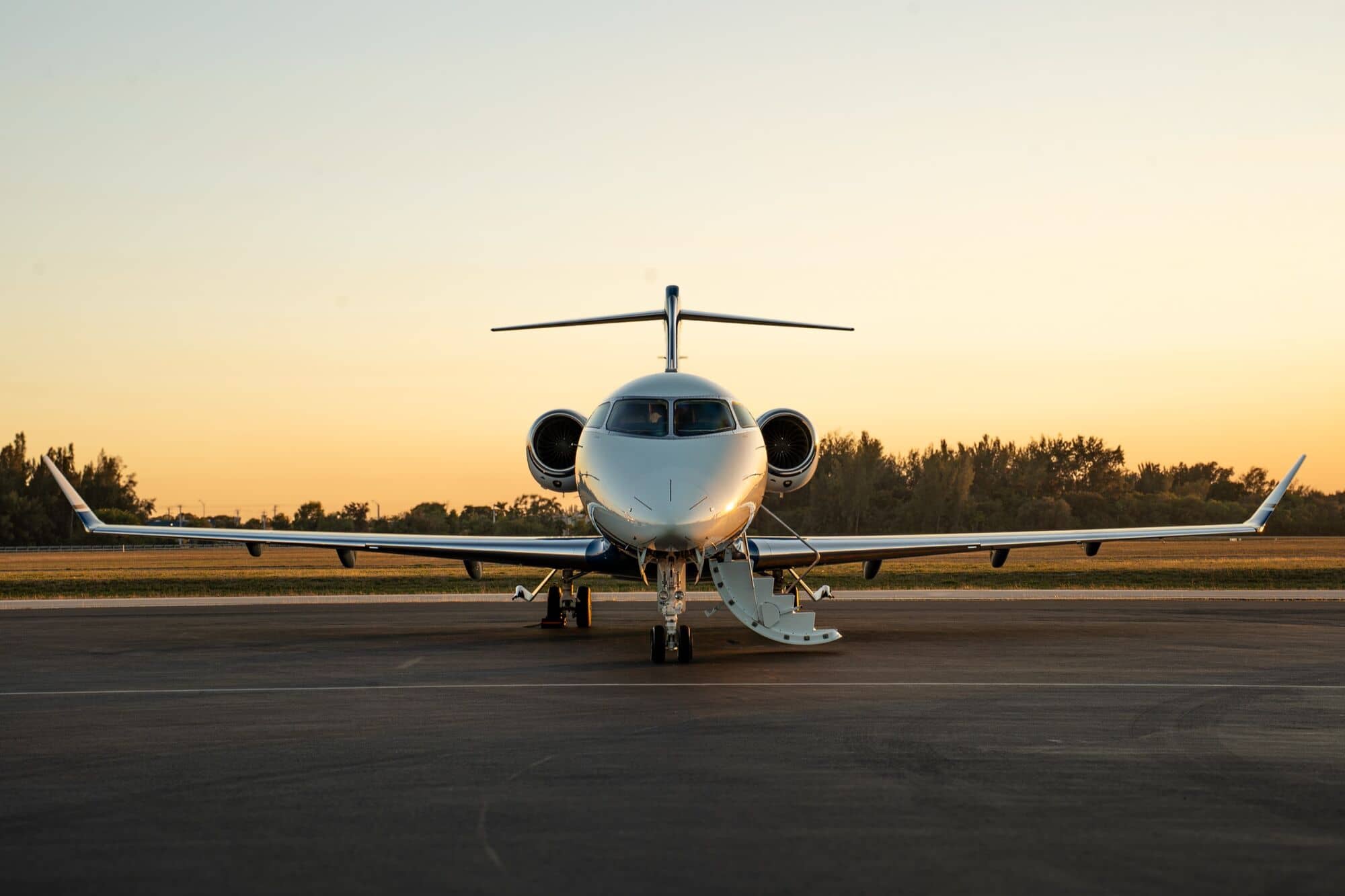
CRAFT is a Part 135 operator of five Challenger 300 and 350 aircraft, ARGUS Platinum Rated and listed on the Wyvern registry. We sell the Fleet Jet Card and charter on that fleet, mainly on the East Coast, in Florida and to the Bahamas, with service across the lower 48, Canada, Mexico and the Caribbean. We do not sell fractional shares, and we don't fly intercontinental trips: for those, VistaJet or NetJets is the better fit.
Neither NetJets nor VistaJet publishes a card price per cabin class, so there is no like-for-like super-midsize figure for them. Here is how the cards that do publish one line up:
Jet cards in the super-midsize class, per hour on one basis
Sentient Jet SJ25+ Super-Mid
- As published
- $11,529/hr
- Base; fuel surcharge and FET added
- With fuel and FET
- $12,716–$13,254/hrEst.
- Fuel EST. $300–$800/hr; FET added at 7.5%, as the program states
CRAFT Fleet Jet Card(ours)
- As published
- $12,950/hr
- Fuel and FET included
- With fuel and FET
- $12,950/hr
- Published price; fuel and FET included
Wheels Up Signature Challenger 300
- As published
- $13,495/hr
- Fixed plan; tax and fuel not stated
- With fuel and FET
- $14,507/hrEst.
- Fuel not stated; none added; FET added at 7.5%; program doesn't state tax
| Card | As published | Per hour with fuel and FET |
|---|---|---|
| Sentient Jet SJ25+ Super-Mid | $11,529/hrBase; fuel surcharge and FET added | $12,716–$13,254/hrEst.Fuel EST. $300–$800/hr; FET added at 7.5%, as the program states |
| CRAFT Fleet Jet Card(ours) | $12,950/hrFuel and FET included | $12,950/hrPublished price; fuel and FET included |
| Wheels Up Signature Challenger 300 | $13,495/hrFixed plan; tax and fuel not stated | $14,507/hrEst.Fuel not stated; none added; FET added at 7.5%; program doesn't state tax |
See also VistaJet vs CRAFT, and estimate a trip with the charter cost calculator or check range on the range map.
Frequently asked questions
Which costs less, NetJets or VistaJet?
It depends on how you fly. For high-volume domestic U.S. flying, a NetJets share spreads its fixed costs over many hours, and its light and midsize jets cost less an hour than VistaJet's larger cabins. For international flying under about 75 hours a year, VistaJet has no share purchase and no positioning fees. Compare both on a written quote for your typical year.
Can you sell your NetJets share?
Yes. At the end of the contract, NetJets typically buys the share back at the aircraft's market value at that time. Expect to receive less than you paid, because aircraft depreciate over the term.
What does VistaJet's hourly rate include?
VistaJet describes a fixed hourly rate with no positioning fees, and quotes rates individually. Ask for a written example of a typical trip showing catering, handling, taxes and any peak-day terms, and check how many years the membership runs.
Does CRAFT sell fractional shares or memberships like these?
No. CRAFT operates five Challenger 300 and 350 aircraft under its own Part 135 certificate and sells the Fleet Jet Card, which buys hours at published rates, fuel and FET included, plus charter on the same fleet. CRAFT flies the lower 48, Canada, Mexico and the Caribbean; for intercontinental trips, VistaJet or NetJets is the better fit.
How many hours do I need to justify fractional ownership?
Fractional ownership tends to fit a steady 50 hours or more a year. Below that, a jet card or on-demand charter is usually simpler. Above about 200 hours a year, compare a large share with whole aircraft ownership.
Related
Related guides
Aircraft in this guide
Read next
NetJets Fractional Ownership: Costs, Fleet, Pros & Cons (2026 Guide)
Complete guide to NetJets fractional ownership — pricing from 1/16 shares to jet cards, fleet details, management fees, hourly rates, and how it compares to…
April 10, 2026 · 5 min read
NetJets vs FlexJet: Cost, Service & Ownership Comparison (2026)
Compare NetJets vs FlexJet costs, fleet size, management fees, and ownership models.
April 10, 2026 · 6 min read
NetJets Alternatives: The 5 Best Options in 2026 (Compared)
NetJets alternatives and competitors compared: Flexjet, Wheels Up, VistaJet, jet cards such as Sentient, and the CRAFT Fleet Jet Card, on cost, fleet, commitment and fit.
October 4, 2026 · 7 min read


Charter Sales
Tell us the trip. We'll tell you the number.
Route, dates, rough timing, how many people. That is enough to start, and you get a firm price for that specific trip rather than a range.
Text us and you'll get a reply within 60 seconds, any hour.